
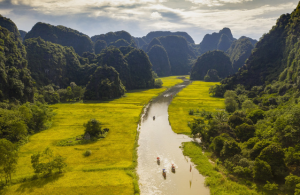


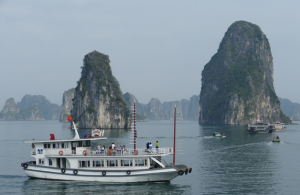
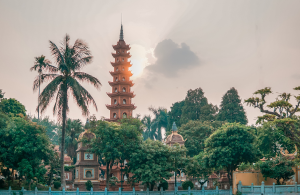
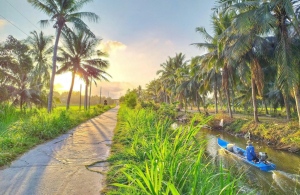

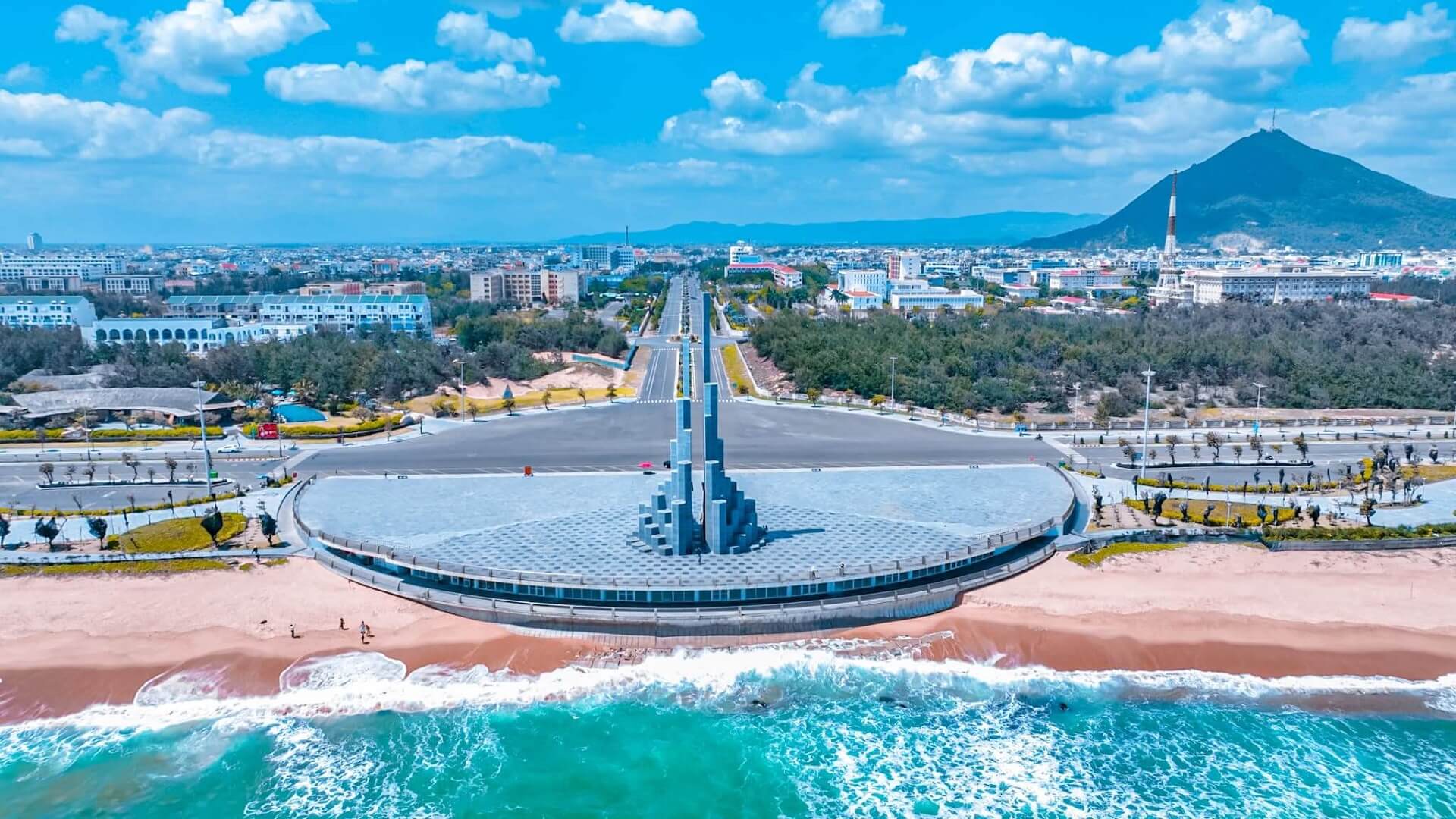
Phu Yen, located on the south-central coast of Vietnam, is a hidden gem known for its pristine beaches, dramatic cliffs, and tranquil countryside. The province offers a mix of natural beauty, cultural heritage, and traditional fishing villages. Visitors can explore stunning coastal landscapes, rolling hills, and charming local towns while enjoying a peaceful atmosphere away from the crowds. Phu Yen is perfect for travelers seeking authentic experiences and breathtaking scenery.
The Best Time to Visit Phu Yen
The best time to visit Phu Yen is from February to August when the weather is dry, sunny, and warm, with temperatures ranging from 25°C to 33°C. This season is ideal for beach activities, sightseeing, and photography.
From September to January, rainfall increases, and storms are more frequent, which may limit outdoor activities. Light clothing, sun protection, and rain gear are recommended depending on the season.
Getting there:
Overland: You can take a bus from major cities like Ho Chi Minh City or Da Nang directly to Tuy Hoa, the provincial capital. Journey times vary from 6 to 12 hours depending on departure location.
By air: Tuy Hoa Airport receives flights from Ho Chi Minh City, Hanoi, and Da Nang. Domestic airlines such as Vietnam Airlines and Vietjet operate regular services.
By train: The North–South Railway passes through Tuy Hoa station, connecting Phu Yen to major cities. The train offers scenic coastal views during the journey.
By private car or motorbike: Renting a car or motorbike provides flexibility to explore hidden beaches, fishing villages, and rural landscapes at your own pace.
Getting around:
Motorbike: Renting a motorbike is the most popular and flexible way to explore Phu Yen. Prices range from 150,000 to 250,000 VND per day. Roads are generally safe but watch for narrow coastal routes.
Car: Hiring a car with a local driver is ideal for comfort and convenience, especially for families or groups. Rates vary depending on distance and itinerary.
Bicycle: For short distances in towns like Tuy Hoa, bicycles are convenient and eco-friendly. Many guesthouses offer bicycle rentals.
Walking: Town centers and small villages are easy to explore on foot. Walking allows you to enjoy local markets, cafés, and street life.
Accommodation:
Homestays: Staying with local families provides an authentic experience, offering insight into fishing village life and rural culture. Simple rooms usually include basic amenities and breakfast.
Guesthouses and hostels: Located mainly in Tuy Hoa and coastal towns, these offer affordable, clean, and convenient stays. Popular for budget travelers and solo visitors.
Hotels: Phu Yen has a range of hotels from 3-star to 4-star, featuring modern amenities like Wi-Fi, air conditioning, and swimming pools. Notable options include Son My Beach Resort and Van Hien Hotel.
Resorts:Luxury resorts with beachfront locations provide upscale services, including spa treatments, private beaches, and fine dining. Popular resorts include Sai Gon Phu Yen Hotel and Mui Dinh Resort
Must-see attractions:
Ganh Da Dia:
Marvel at the unique hexagonal basalt columns formed by volcanic activity along the coastline. A natural wonder perfect for photography and sunset views.

Vung Ro Bay:
A pristine bay known for clear waters, white sandy beaches, and traditional fishing villages. Ideal for swimming, kayaking, and seafood tasting.

Hon Yen:
A small island accessible by boat, featuring calm beaches and excellent snorkeling opportunities. Great for a day trip and seafood picnics.

Da Dia Cliff:
Explore the iconic lava rock formations stretching along the shoreline. Best visited during low tide for safe access and photography.

Phu Yen Beaches:
Bai Xep, Bai Mon, and Bai Nhat are scenic beaches offering soft sand, calm waters, and peaceful surroundings. Perfect for swimming and relaxation.
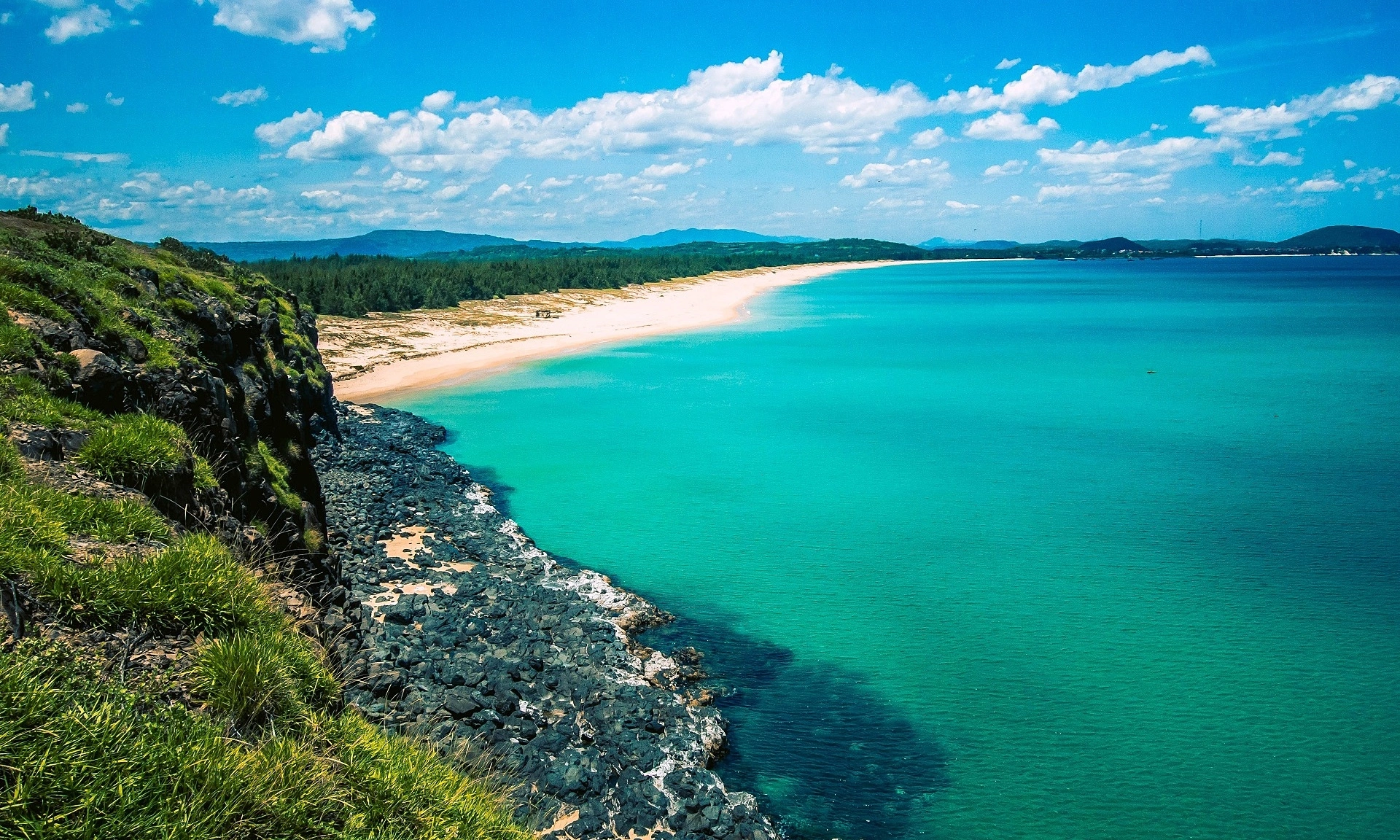
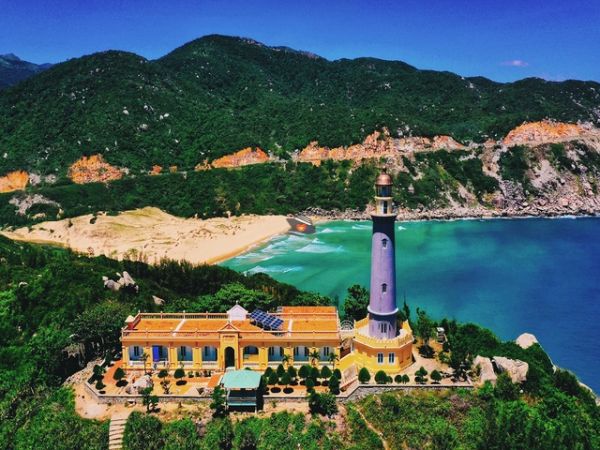
Mui Dien Lighthouse:
Standing atop a coastal hill, it offers panoramic views of the sea and surrounding landscape. A scenic spot for photography and sunset watching.
Food & Drink:
Banh Xeo Phu Yen: A local version of crispy pancakes filled with shrimp, pork, and bean sprouts. Best enjoyed at small family-run eateries along the coast.
Nem Nuong: Grilled pork skewers served with rice paper, fresh herbs, and dipping sauce. A popular street food and must-try local specialty.
Seafood: Fresh seafood is abundant, including fish, squid, and shrimp. Local markets and seaside restaurants offer affordable and delicious options.
Banh Can: A savory mini pancake made from rice flour, often topped with quail eggs and spring onions. Commonly eaten for breakfast or snacks.
Hu Tieu: A southern-style noodle soup with seafood or pork, featuring a light and flavorful broth. Served in local restaurants across Phu Yen.
Local fruits: Try dragon fruit, jackfruit, and mangosteen, freshly harvested from nearby farms. A refreshing treat after exploring the beaches.
Comprehensive Tips for Travelers:
Plan your trip in advance:
Popular beaches and attractions can get busy during peak season. Booking accommodation and tours early ensures availability and better rates.
Pack for varying weather conditions:
Layered clothing is recommended, as mornings may be cool and afternoons hot. Include sun protection, a hat, and comfortable shoes for walking or hiking.
Hire a local guide:
Guides provide insight into the region’s history, culture, and hidden attractions. They can also assist with navigating remote roads safely.
Respect local customs:
When visiting fishing villages or temples, dress modestly and ask permission before taking photographs. Support local businesses and try locally made products.


