


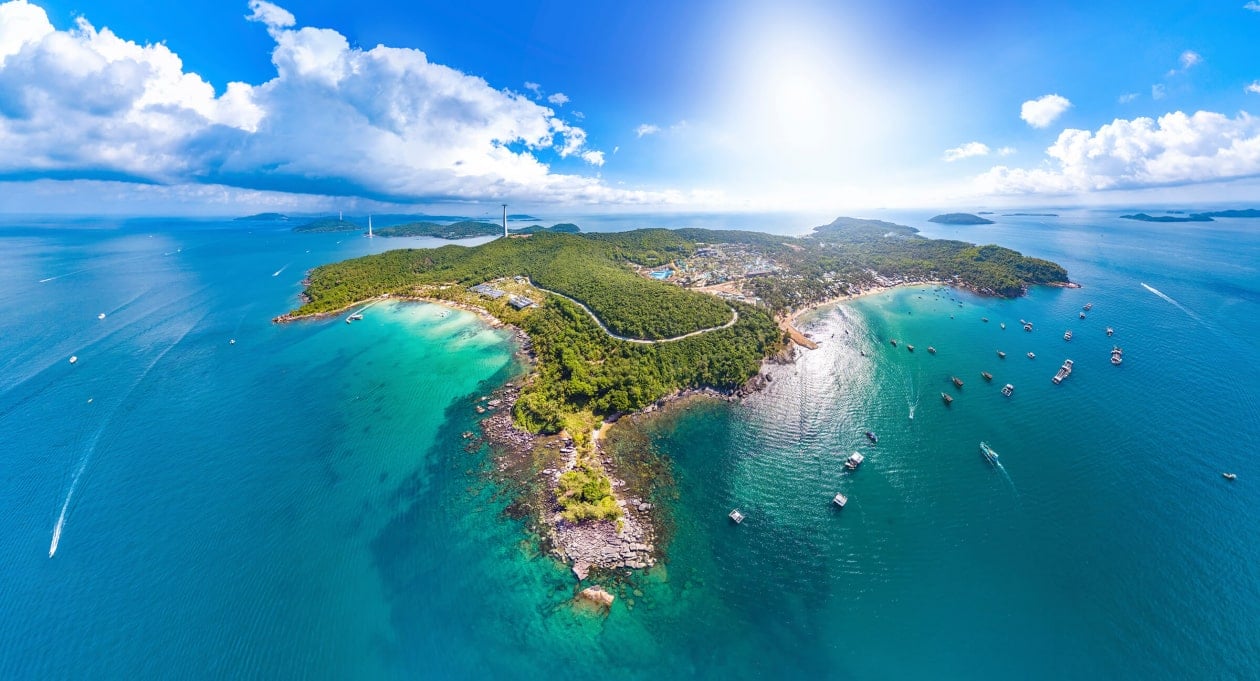
Phu Quoc, the largest island in Vietnam, is a tropical paradise located in the Gulf of Thailand. Known for its white sandy beaches, clear turquoise waters, and lush jungles, the island is a favorite destination for relaxation, adventure, and seafood indulgence. Visitors can explore pristine national parks, vibrant night markets, and luxury resorts, while experiencing the island’s unique culture and laid-back lifestyle. Phu Quoc combines natural beauty and modern tourism, making it a top choice for travelers seeking both tranquility and excitement.
The Best Time to Visit Phu Quoc
The ideal time to visit is from November to April when the skies are clear, seas are calm, and temperatures range between 26°C–30°C (79°F–86°F), making it perfect for beach days and water activities.
May to October is rainy season—lush landscapes and quieter resorts can be rewarding, though expect occasional showers.
Getting there:
Overland: Travelers can drive or hire a car to Rach Gia or Ha Tien and take a ferry to Phu Quoc. This method allows exploration of mainland attractions before reaching the island.
By air: Phu Quoc International Airport connects daily with Hanoi, Ho Chi Minh City, Da Nang, and limited international flights.
By ferry: From Rach Gia or Ha Tien, high-speed ferries take 2–3 hours to reach the island, offering scenic views of the Gulf of Thailand.
By private car: Hiring a car with a driver from mainland cities is convenient and comfortable but more expensive than public transport.
Getting around:
Motorbike: Renting a motorbike is the most popular way to explore Phu Quoc at your own pace. Daily rentals cost around 150,000–200,000 VND (6–8 USD). This option allows you to visit beaches, villages, and markets freely, but roads can be narrow and winding. Always wear a helmet and drive carefully.
Car/Taxi: Hiring a private car with a driver is comfortable, ideal for families or long-distance trips. Costs vary depending on distance and duration, usually around 800,000–1,200,000 VND (35–50 USD) per day. It’s perfect for visiting national parks, night markets, or remote beaches.
Bicycle: For short distances, renting a bicycle is an eco-friendly and flexible option. Ideal for exploring local villages, nearby beaches, or farm areas. Rentals are inexpensive, around 50,000–70,000 VND (2–3 USD) per day, and allow you to enjoy the scenery at a relaxed pace.
Shuttle and tours: Many resorts and tour operators provide shuttle services to major attractions such as Vinpearl Safari, Suoi Tranh Waterfall, and night markets. Joining guided tours is convenient for those who prefer organized trips and local insights.
Accommodation:
Homestays: Staying with local families offers a unique cultural experience and a chance to see everyday life on the island. Rooms are simple but comfortable, often including breakfast. Ideal for budget travelers seeking authenticity and interaction with locals.
Guesthouses and hostels: Several guesthouses and hostels are located near Duong Dong town and popular beaches. Affordable, clean, and convenient, they are perfect for backpackers or short stays. Facilities typically include Wi-Fi and private bathrooms.
Hotels: Phu Quoc has a wide range of hotels from 3-star to 5-star, offering modern amenities like air conditioning, swimming pools, and restaurant services. Popular options include Cassia Cottage, La Veranda Resort, and Famiana Resort. Booking in advance is recommended, especially during peak season.
Resorts: Luxury resorts provide upscale experiences with private beaches, spa services, and fine dining. Ideal for honeymooners or travelers seeking comfort and relaxation. Notable resorts include Vinpearl Resort, Premier Village, and Fusion Resort Phu Quoc.
Must-see attractions:
Phu Quoc National Park:
Dense tropical forests, hiking trails, and diverse wildlife in a UNESCO biosphere reserve.

Sao Beach:
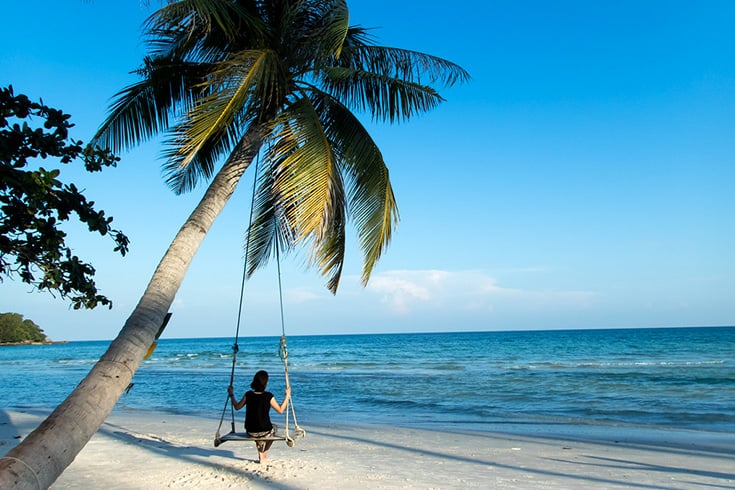
Famous for powdery white sand, clear waters, and tranquil swimming spots.
Vinpearl Safari & VinWonders:
Family-friendly attractions with wildlife encounters and amusement rides.

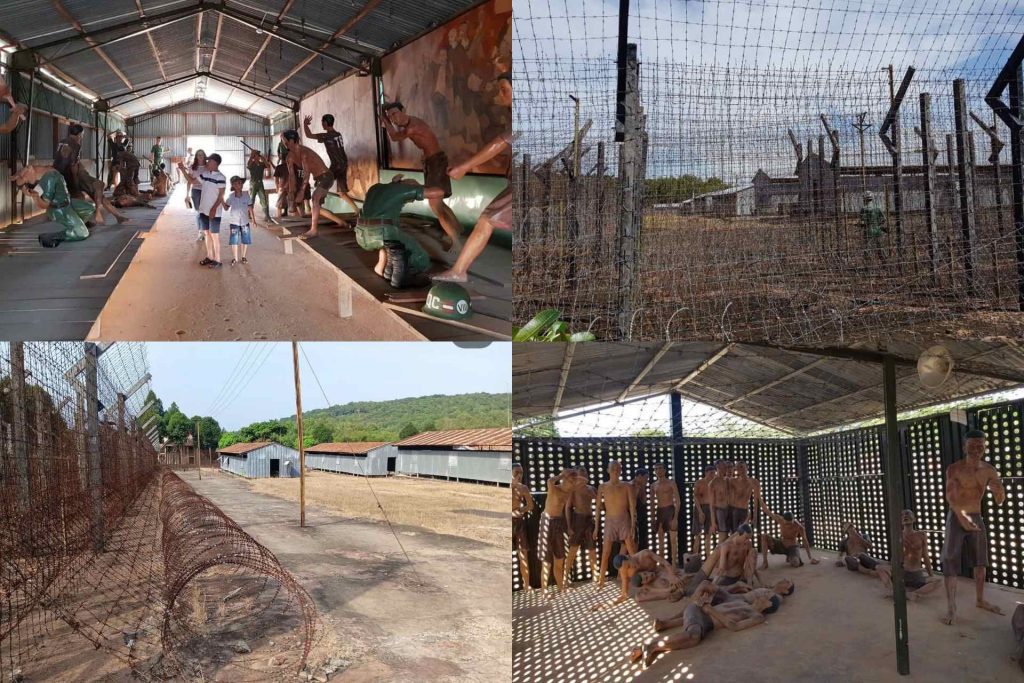
Phu Quoc Prison Museum:
Historical site revealing the island’s wartime resilience.
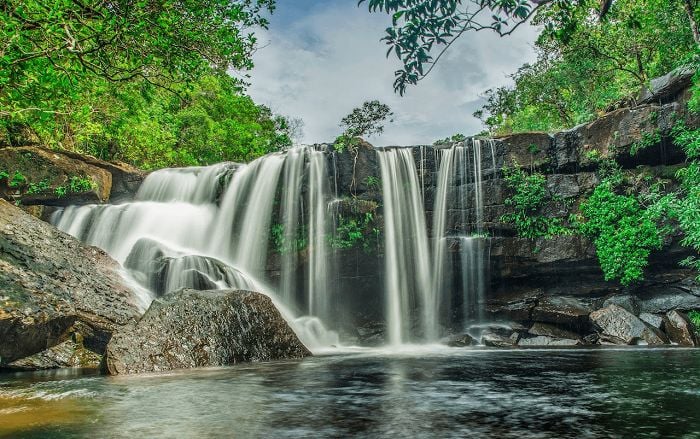
Tranh River & Suoi Tranh Waterfall:
Scenic rivers and waterfalls for picnics, hiking, and photography.
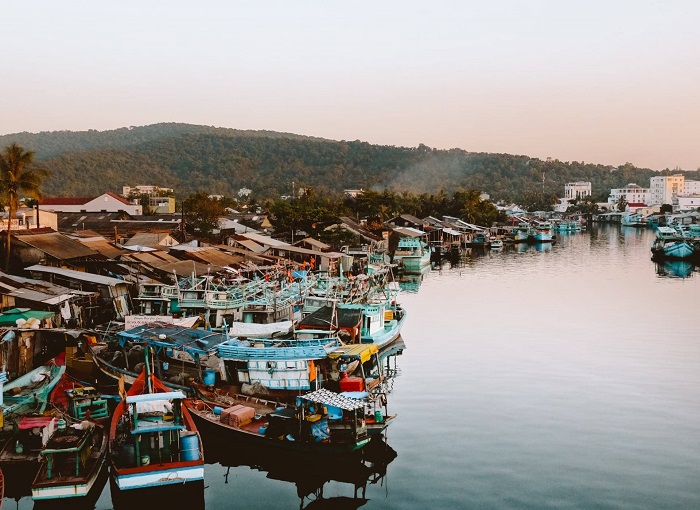
Fishing Villages:
Ham Ninh and An Thoi villages showcase traditional fishing culture and seafood.
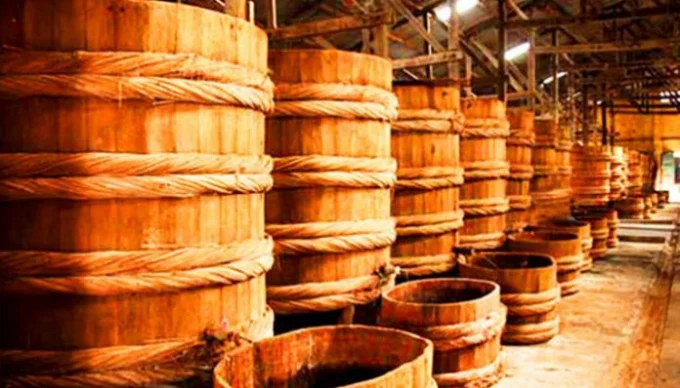
Pepper Farms & Fish Sauce Factories:
Learn about local pepper and fish sauce production, a signature of Phu Quoc.
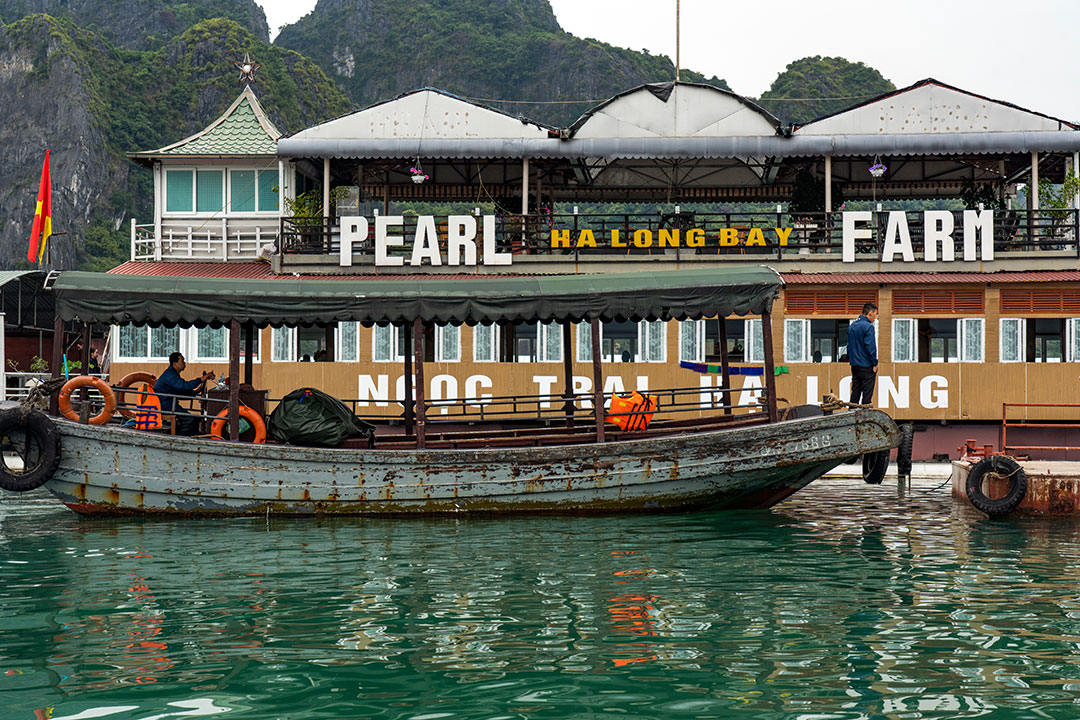
Pearl Farm
Discover the history and process of pearl cultivation on Phu Quoc Island. Visitors can learn how pearls are harvested, processed, and crafted into jewelry, while gaining insight into one of the island’s traditional industries.
Ho Quoc Pagoda
Visit this peaceful Buddhist temple located on a hill overlooking the sea. Ho Quoc Pagoda offers panoramic ocean views, spiritual ambiance, and impressive traditional architecture.

Xuong Island (or Buom Island)
Enjoy snorkeling at vibrant coral reefs with clear waters and diverse marine life. This island is ideal for short snorkeling stops during island-hopping tours.
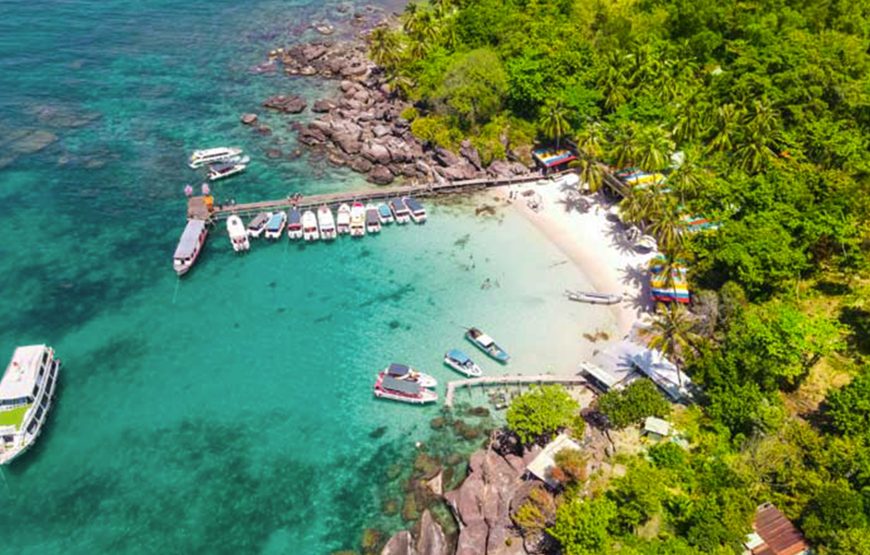
Gam Ghi Island
A popular snorkeling destination featuring colorful coral reefs and calm waters. Gam Ghi Island is perfect for underwater exploration and marine photography.

May Rut Trong Island
Experience a white-sand lagoon with crystal-clear water and a relaxed island atmosphere. Visitors can enjoy swimming, kayaking, beach activities, and a unique chill-out setting.

Dinh Cau Night Market:
Vibrant market for local food, souvenirs, and cultural experiences.
Food & Drink:
Phu Quoc’s cuisine embodies its island soul — fresh, aromatic, and rich with seafood influences.
Seafood: Fresh crab, lobster, squid, and fish; grilled dishes and hotpots are local favorites.
Bun Quay Phu Quoc: Unique noodle soup with fresh seafood cooked at the table.
Nhum (Sea Urchin): Popular local delicacy, served fresh or grilled with spices.
Coconut candy: Traditional sweet made from fresh coconut, sugar, and malt syrup.
Pepper products: Famous black pepper used in cooking or as souvenirs.
Fish sauce: Phu Quoc fish sauce is renowned for its rich flavor and culinary use.
From night markets and beachfront restaurants to fishing village eateries, the island serves everything from seafood feasts and coconut ice cream to tropical cocktails and rich Vietnamese coffee.
Comprehensive Tips for Travelers:
Plan your trip in advance:
During peak season (December–March), accommodations and tours fill up quickly. Booking early ensures you secure beachfront resorts, guided tours, and transportation options.
Pack for the climate:
Lightweight, breathable clothing, swimwear, hats, and sunscreen are essential. Bring a light jacket for cooler evenings and comfortable shoes for walking on sand, trails, and village paths.
Hire a local guide:
Guides can provide insights into local culture, history, and hidden scenic spots. They also help navigate remote beaches, national parks, and fishing villages safely.
Travel responsibly:
Respect local communities and wildlife, avoid littering, and choose eco-friendly activities. Supporting sustainable tourism ensures the island remains pristine for future visitors.


