
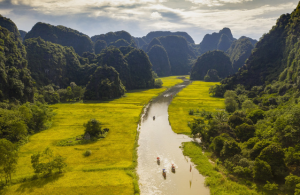
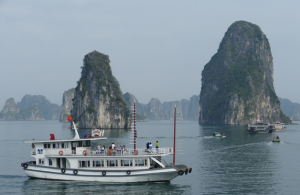
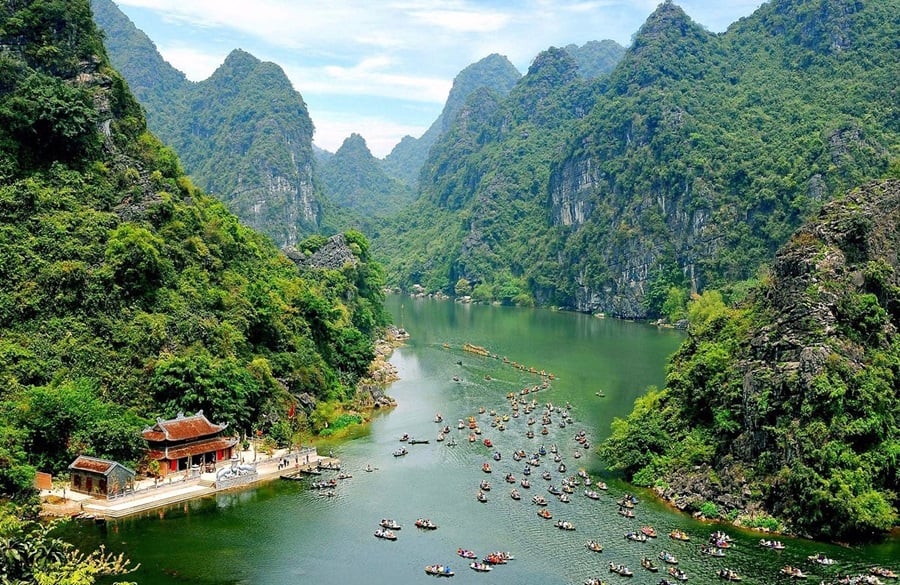
Ninh Binh, often called the “Halong Bay on land,” is a captivating province in northern Vietnam, renowned for its limestone karst landscapes, winding rivers, lush rice fields, and ancient cultural sites. Visitors can explore its natural beauty through boat trips along the Tam Coc and Trang An rivers, cycle through scenic villages, or visit historical landmarks like Hoa Lu Ancient Capital and Bich Dong Pagoda. Ninh Binh offers a perfect blend of nature, history, and local culture, making it a must-visit destination in Vietnam.
The Best Time to Visit Ninh Binh
The ideal time to visit Ninh Binh is from February to April and September to November, when the weather is mild, the skies are clear, and the rice fields are vibrant green or golden. Temperatures during these periods range from 18°C to 28°C (64°F to 82°F).
Summer (May to August) can be hot and humid, with occasional heavy rains, while winter (December to January) is cooler, with temperatures ranging from 10°C to 18°C (50°F to 64°F). Visitors should pack lightweight clothes for summer and warmer layers for winter, along with a raincoat during the rainy season.
Getting there:
Overland: From Hanoi, you can take a bus, coach, or private car to Ninh Binh, which takes about 2–3 hours.
By train: Regular trains run from Hanoi to Ninh Binh station, taking approximately 2.5–3 hours.
By motorbike For adventurous travelers, riding a motorbike from Hanoi to Ninh Binh is feasible and allows stops at scenic spots along the way. The trip takes around 3–4 hours.
Private car: Hiring a private car from Hanoi is convenient and comfortable, taking around 2 hours depending on traffic.
Getting around:
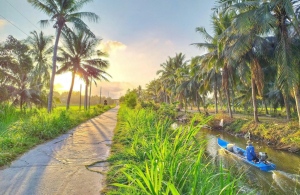
Bicycle: Ninh Binh’s flat countryside and scenic villages make cycling an excellent way to explore the area. Rentals are widely available from 50,000–100,000 VND ($2–4 USD) per day.
Motorbike: Renting a motorbike is flexible for covering larger distances or exploring remote sites.
Car/Taxi: Hiring a car with a driver is suitable for family trips or those preferring comfort; costs depend on distance and duration.
Boat: Many attractions like Tam Coc, Trang An, and Van Long Nature Reserve are best explored by boat, with rowers providing scenic and cultural commentary.
Accommodation:
Ninh Binh offers diverse stay options:
Eco-resorts & boutique lodges: Nestled among rice paddies and limestone valleys—popular for their peaceful atmosphere.
Homestays: Ninh Binh offers options ranging from budget guesthouses to luxury resorts:
Homestays: Stay with local families to experience rural life and authentic cuisine.
Guesthouses and hostels: Affordable options in Ninh Binh city and Tam Coc area, perfect for budget travelers.
Hotels: Comfortable hotels with modern amenities are available in Tam Coc, Ninh Binh city, and near Trang An. Examples include Tam Coc Garden Resort, The Reed Hotel, and Ninh Binh Legend Hotel.
Resorts: For luxury stays, resorts like Emeralda Resort Ninh Binh provide upscale accommodation, swimming pools, and fine dining.
Booking in advance is recommended, especially during peak travel seasons.
Must-see attractions:
Tam Coc:
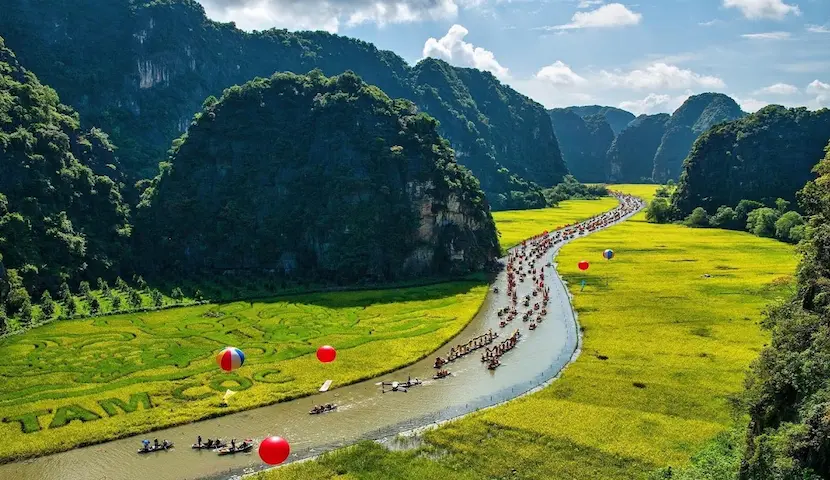
Scenic boat trip through limestone karsts and rice fields, often called “Halong Bay on land.”
Trang An Scenic Landscape Complex:
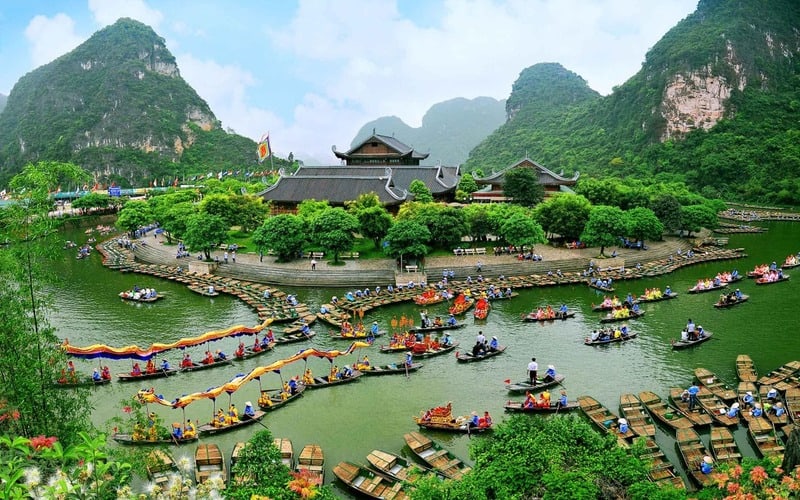
UNESCO World Heritage site featuring caves, rivers, and temples accessible by boat.
Bich Dong Pagoda:
Ancient pagoda built into limestone cliffs, offering panoramic views.
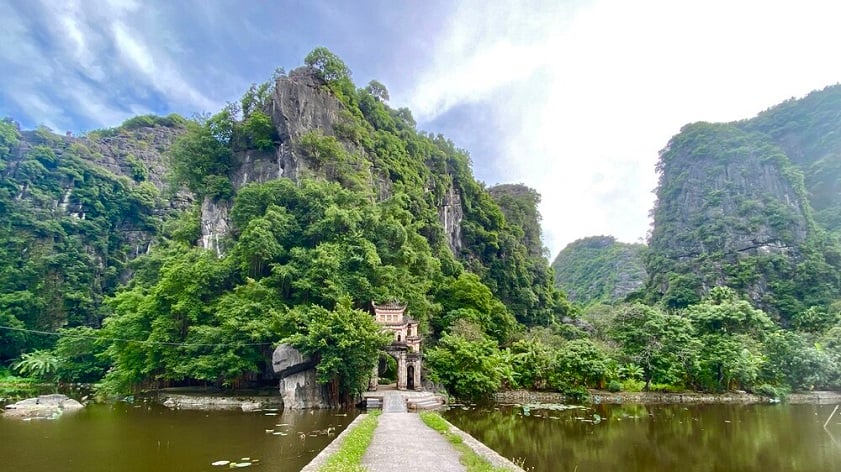
Hoa Lu Ancient Capital:
Historical site of Vietnam’s first capital, with temples dedicated to Dinh and Le kings.

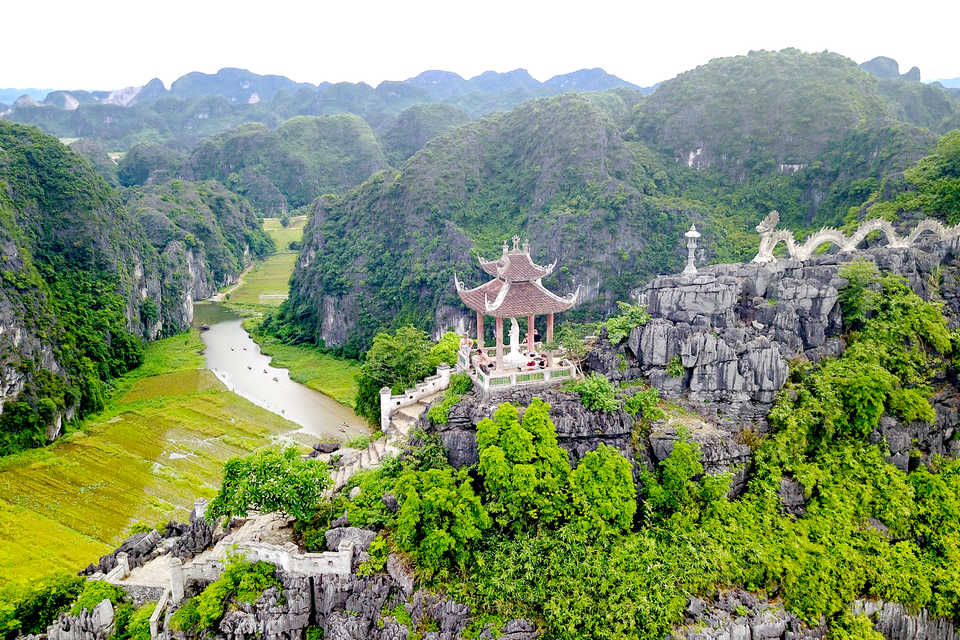
Mua Cave & Hang Mua Viewpoint:
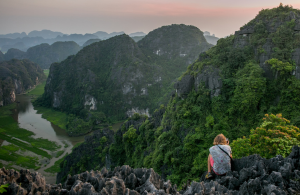
Climb 500 steps for breathtaking views of Tam Coc and the surrounding countryside.
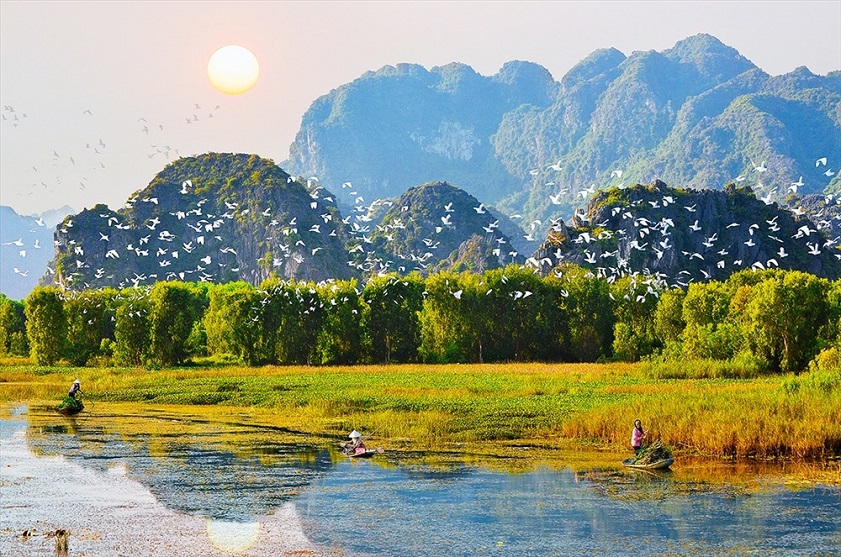
Van Long Nature Reserve:
Peaceful wetland reserve with diverse bird species and untouched landscapes.
Phat Diem Cathedral:
Unique Vietnamese Catholic cathedral combining European and traditional Vietnamese architecture.

Cuc Phuong National Park:
Vietnam’s oldest national park, rich in biodiversity, home to primates, orchids, and limestone caves.

Thung Nham Bird Garden:
A bird sanctuary where visitors can observe thousands of birds, especially during sunset.
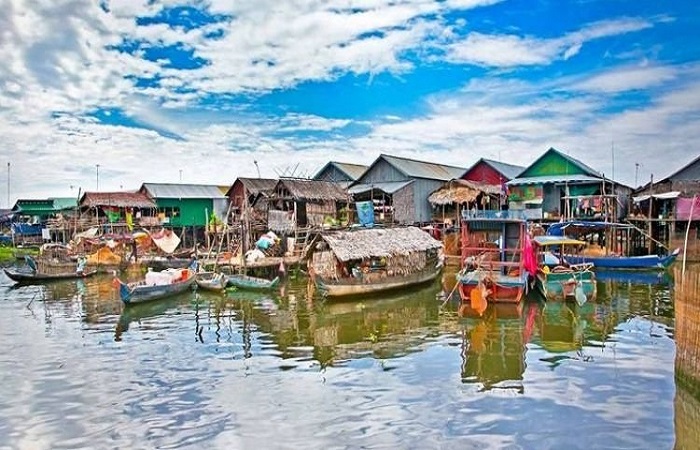
Kenh Ga Floating Village:
Traditional fishing village offering insight into local rural life.
Food & Drink:
Ninh Binh cuisine features fresh river fish, local vegetables, and northern Vietnamese flavors:
Goat Meat Dishes (De Ninh Binh): Grilled, fried, or stewed goat meat, a local specialty.
Com Chay (Crispy Rice): A specialty rice dish served with herbs, fried tofu, and chili sauce.
River Fish & Eel: Cooked grilled, fried, or in soup with local herbs.
Bun Cha Ca (Fish Noodle Soup): Northern-style noodle soup with fish cakes and fresh herbs.
Nem Chua Ninh Binh (Fermented Pork Roll): A regional specialty often served as a snack or appetizer.
Local Herbal Teas: Refreshing and commonly served in local eateries.
Rice Cakes & Sticky Rice: Various types of rice cakes, including sweet and savory options.
Local Wines & Spirits: Homemade rice wine and corn wine are popular for toasting during meals.
Comprehensive Tips for Travelers:
Plan Your Trip in Advance:
Ninh Binh is a popular destination, especially for day trips from Hanoi, weekend getaways, and peak seasons (spring and autumn). To make the most of your visit, book your accommodation, boat tours, and transportation in advance. Multi-day trips require careful planning to cover both natural attractions and cultural sites without feeling rushed.
Choose the Right Season:
The best months to visit are February to April and September to November. During these periods, the weather is pleasant, rice fields are green or golden, and skies are mostly clear. Avoid visiting during the peak summer months (June–August) when it is hot, humid, and prone to heavy rain. Winter can be cool and misty, so bring warm layers if visiting December–January.
Dress Appropriately:
Lightweight, breathable clothing is recommended for summer, while layers and jackets are essential in winter. Comfortable walking shoes are a must for trekking, climbing viewpoints, and exploring pagodas. For temple visits, dress modestly—cover shoulders and knees. Bring a hat, sunglasses, and sunscreen for sun protection, especially on boat trips and cycling tours.
Connectivity & Essentials:
Internet is generally available in hotels and cafes but may be weak in remote villages.
Bring cash (VND) for small purchases, boat rides, and local eateries, as many places do not accept cards.


