
The Mekong Delta, located in southern Vietnam, is a vast network of interconnected waterways that spans over 40,000 square kilometers. This region is home to a diverse population of over 18 million people, many of whom make their living through agriculture and fishing. The Mekong River, which flows through the delta, provides the lifeblood for this area, supporting a rich variety of flora and fauna and providing a source of sustenance for local communities. The Mekong Delta is also an important cultural hub, with traditional villages and floating markets showcasing the unique customs and traditions of the region’s inhabitants. However, the delta is facing increasing challenges from climate change, sea level rise, and pollution, which threaten the livelihoods and well-being of its people.
The Best Time to Visit Mekong Delta
The best time to visit the Mekong Delta in Vietnam is from December to April when the weather is dry and sunny. This is also the peak tourist season, so expect larger crowds and higher prices for accommodations and tours. During the wet season, which runs from May to November, the region experiences heavy rainfall and occasional flooding. While this can make transportation difficult and some attractions inaccessible, it also brings lush greenery and vibrant flowers to the area. If you prefer fewer crowds and lower prices, this may be a good time to visit as well. Overall, it’s recommended to pack light clothing, sunscreen, and insect repellent during your trip to the Mekong Delta, as the region is known for its hot and humid climate.
Getting there:
There are several ways to get to the Mekong Delta, which is in the southwest region of Vietnam. Here are some options:
By plane: The closest airport to the Mekong Delta is Tan Son Nhat Airport in Ho Chi Minh City (Saigon), which is about 60 km (37 miles) away. From there, you can take a taxi, bus, or private transfer to your destination in the delta.
By bus: There are many buses that operate daily from Ho Chi Minh City to the Mekong Delta. The journey takes around 2-3 hours, depending on the destination. Some popular bus companies include Phuong Trang, Mai Linh, and Futa Bus.
By train: The nearest train station to the Mekong Delta is in My Tho, which is about 70 km (43 miles) away from Ho Chi Minh City. From there, you can take a taxi or a local bus to your destination. However, the train service in this area is not very frequent and may not be the most convenient option.
By boat: If you’re already in the Mekong Delta, you can explore the region by boat. There are many local boats that offer day trips and overnight cruises along the Mekong River and its tributaries. This is a great way to see the beautiful scenery and experience the local culture firsthand.
Whichever mode of transportation you choose, make sure to plan and allow enough time for your journey, as traffic can be heavy during peak hours in Ho Chi Minh City.
Getting around:
There are several ways to get around the Mekong Delta in Vietnam:
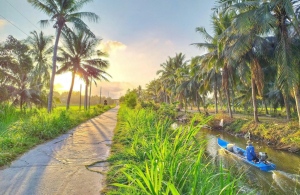
Boat: The Mekong Delta is crisscrossed with rivers and canals, so taking a boat is a popular way to get around. You can hire a private boat or join a group tour to explore the rivers and floating markets.
Motorbike: Renting a motorbike is a great way to explore the Mekong Delta at your own pace. There are several rental shops in major towns like Can Tho and My Tho. Be sure to wear a helmet and follow traffic rules.
Bicycle: Another popular option is to rent a bicycle and ride through the countryside. This allows you to experience the delta’s rural life up close and personal. You can rent bicycles in most towns or ask your accommodation for recommendations.
Bus: The Mekong Delta is well connected by bus routes. There are several bus companies that operate daily services between major towns and cities. Buses are generally inexpensive and convenient for longer distances.
Taxi/Grab: Taxis or ride-hailing services like Grab are available in the Mekong Delta, especially in larger towns. This option is more expensive than other forms of transportation, but it offers convenience and comfort.
Trains: The Mekong Delta is not well-served by trains, but you can take a train to larger cities like Ho Chi Minh City or Can Tho, and then use other modes of transportation to explore the delta.
Remember to plan your itinerary in advance and consider the distance between attractions and towns in the Mekong Delta. Some areas require a combination of transportation modes, such as a boat ride followed by a motorbike or bicycle ride, to fully explore the region.
Accommodation:
There are plenty of accommodation options in the Mekong Delta region of Vietnam. Here are some popular choices:
Homestays: Staying with a local family in a homestay is a great way to experience the local culture in the Mekong Delta. These accommodations are usually basic but offer a cozy and authentic experience.
Riverside resorts: There are several upscale resorts along the Mekong River that offer comfortable accommodation and beautiful views. These resorts often have facilities such as swimming pools, spas, and restaurants.
Guesthouses: There are numerous guesthouses and budget hotels in the towns and cities of the Mekong Delta. These accommodations are affordable and provide basic amenities for travelers.
Floating hotels: Some unique accommodations in the Mekong Delta are floating hotels or houseboats. These floating accommodations allow visitors to stay right on the river and enjoy the tranquility of the delta.
Eco-lodges: For those looking for a sustainable travel experience, there are eco-lodges available in the Mekong Delta. These lodges focus on promoting responsible tourism and offer comfortable and eco-friendly accommodation options.
It is recommended to book accommodation in advance, especially during the peak travel season, to secure your preferred choice.
Must-see attractions:
Cai Rang Floating Market: This bustling market is known for its vibrant collection of boats selling fruits, vegetables, and local products. It offers a unique and colorful experience.
Vinh Trang Pagoda: This beautiful Buddhist temple is adorned with exquisite traditional Vietnamese architectural details. The pagoda holds historical and cultural significance and offers a serene atmosphere.
Ben Tre Coconut Village: This village is famous for its coconut industry. Visitors can explore coconut candy-making workshops, take boat tours through the coconut groves, and taste fresh coconut products.
Tra Su Cajuput Forest: Explore the lush greenery of Tra Su Forest, known for its diverse wildlife, such as birds, alligators, and fish. Take a boat ride through the forest to experience its tranquil beauty up close.
My Tho: This charming city is often considered the gateway to the Mekong Delta. Visitors can explore its lively markets, visit Vinh Trang Pagoda, and take boat tours to various islands.
Can Tho: The largest city in the Mekong Delta, Can Tho offers a range of attractions. Visit the iconic Ninh Kieu Quay, explore Can Tho’s floating market, and take a boat tour to the nearby rural areas.
Long Xuyen Floating Market: This floating market showcases the agricultural goods of the region. Observe the bustling trade between local boats and sample freshly cooked food from floating street vendors.
Chau Doc: Located near the Vietnam-Cambodia border, Chau Doc offers a unique blend of Vietnamese and Cambodian culture. Visit Sam Mountain for breathtaking views, explore traditional Cham villages, and take boat trips along the canals.
Phu Quoc Island: Although technically not part of the Mekong Delta, Phu Quoc Island is often included in Mekong Delta tours due to its proximity. It offers stunning beaches, a national park, and opportunities for snorkeling and diving.
Dong Thap Muoi (Plain of Reeds): This vast wetland is known for its diverse ecosystem and scenic beauty. Explore the area by boat, visit local farms, and learn about the floating villages and unique way of life in this agricultural region.
Food & Drink:
The Mekong Delta region in Vietnam is known for its rich agricultural land and abundance of fresh produce, making it a food lover’s paradise. Here are some popular foods and drinks you can enjoy in the Mekong Delta:
Hu Tieu (Rice Noodle Soup): Hu Tieu is a traditional Vietnamese noodle soup made with rice noodles, herbs, and various toppings such as seafood, pork, or beef. It is a popular breakfast option in the Mekong Delta region.
Banh Mi (Vietnamese Baguette Sandwich): Banh Mi is a staple in Vietnamese cuisine, and you can find delicious versions of this sandwich in the Mekong Delta. It typically includes various fillings such as grilled pork, pâté, pickled vegetables, and fresh herbs.
Seafood: Being a coastal region, the Mekong Delta offers a wide variety of fresh seafood dishes. You can enjoy dishes like grilled prawns, fried fish, crab soup, and steamed clams, all prepared with local ingredients and flavors.
Fruit: The Mekong Delta is known as the “fruit basket” of Vietnam due to its abundance of tropical fruits. From sweet mangoes and pineapples to juicy dragon fruits and durians, you’ll find a wide variety of fruits in this region. Don’t forget to try a fresh fruit smoothie or fruit salad.
Canh Chua (Sour Soup): Canh Chua is a popular soup made with fish or shrimp, mixed with vegetables, herbs, and tamarind, giving it a tangy and refreshing flavor. It is usually served with a side of steamed rice.
Coconut Candy: The Mekong Delta is famous for its coconut candies. These sweet treats are made from fresh coconut milk, sugar, and various fillings like peanuts or dried fruits. They are often wrapped in small rice paper squares for easy consumption.
Rice Paper Pizza (Bánh Tráng Nướng): A street food specialty, Bánh Tráng Nướng is a crispy rice paper topped with minced pork, shrimp, quail eggs, and a variety of other toppings. It is then grilled until crispy and served with a tangy dipping sauce.
Coconut Water: As coconuts are abundant in the Mekong Delta, fresh coconut water is a popular and refreshing drink. You can enjoy it straight from the coconut or as part of other tropical drinks like coconut smoothies.
These are just a few examples of the delicious food and drink options you can find in the Mekong Delta. Exploring the local markets and street stalls will give you a chance to sample even more unique and tasty dishes.
Comprehensive Tips for Travelers:
Prepare for the weather: Mekong Delta can get hot and humid, so pack lightweight and breathable clothing. It is also advisable to bring a hat, sunscreen, and insect repellent.
Explore the floating markets: The floating markets, such as Cai Rang and Cai Be, are a must-visit attraction in the Mekong Delta. Wake up early to experience the vibrant atmosphere and unique trading culture.
Try local cuisine: Mekong Delta is known for its delicious food. Don’t miss out on trying local delicacies such as banh xeo (sizzling pancakes), hu tieu (noodle soup), and fresh seafood.
Take a bicycle or motorbike tour: Renting a bicycle or motorbike is a popular way to explore the Mekong Delta. Enjoy the scenic countryside and visit the various orchards, rice fields, and villages.
Visit the floating villages: Take a boat tour to visit the floating villages and see how the locals live their daily lives on the water. It is a unique and fascinating experience.
Stay at a homestay: Consider staying at a homestay to get a more authentic and immersive experience. You can learn about the local culture, participate in cooking classes, and interact with the friendly locals.
Take a boat ride through the canals: Explore the intricate network of canals in the Mekong Delta by taking a boat ride. Enjoy the peaceful and serene surroundings while observing the local life along the waterways.
Visit the Khmer pagodas: The Mekong Delta has a significant Khmer population, and there are several beautiful Khmer pagodas worth visiting, such as Mahatup, Sam Mountain, and Bat Pagoda.
Try some fruit tasting: The Mekong Delta is known for its fruit orchards. Take the opportunity to taste a variety of tropical fruits such as durian, rambutan, dragon fruit, and pomelo.
Support local communities: When shopping for souvenirs or dining out, try to support local businesses and communities. This helps the local economy and ensures a more sustainable and responsible way of traveling.


