


Da Nang, nestled between forested mountains and the East Sea, is a vibrant coastal city known for its clean beaches, modern skyline, ancient spiritual heritage, and warm hospitality. As one of Vietnam’s most beloved destinations, Da Nang beautifully balances relaxation and exploration, offering nature, culture, urban comfort, and seaside retreats all in one place. Travelers can enjoy golden beaches, illuminated bridges at night, lush peninsulas, and convenient access to UNESCO treasures such as Hoi An and Hue. Whether you seek peace, adventure, or a combination of both, Da Nang welcomes every traveler with open arms.
.jpg)
The Best Time to Visit Da Nang
Da Nang enjoys a tropical climate with clear seasonal rhythms:
March to August is the sunniest period, ideal for beach activities, water sports, and sightseeing, with temperatures ranging from 26°C to 33°C.
September to November offers cooler breezes and lighter crowds, though occasional rain can occur.
December to February brings refreshing air from 18°C to 22°C, offering clear visibility from mountain viewpoints. Packing light layers or a jacket is recommended.
Getting there:
By Air: Da Nang International Airport offers direct flights from major Vietnamese cities and numerous Asian destinations including Bangkok, Seoul, Taipei, Singapore, Tokyo, Kuala Lumpur, and Hong Kong, making flying the most efficient option.
By Overland (Train or Bus): Train travel brings scenic views, particularly the coastal and mountain stretch between Hue and Da Nang. Modern buses connect Da Nang with cities such as Hoi An, Hue, Nha Trang, Quy Nhon, and the Central Highlands.
By Motorbike: Ideal for adventure travelers, riding through Hai Van Pass provides panoramic sea views and dramatic mountain scenery.
By Private Car or Transfer: A comfortable and flexible option, especially for those wishing to stop at viewpoints along the Hai Van Pass or Marble Mountains.
Getting around:
Motorbike Rental: Convenient for beach cruising, short trips, and exploring viewpoints, as Da Nang’s roads are wide and easy to navigate.
Car, Taxi, or Grab: Reliable choices for city travel and reaching attractions such as Ba Na Hills, Son Tra Peninsula, or Hoi An.
Bus: Local buses connect districts and nearby cities, including Hoi An, offering a budget-friendly option.
Walking and Cycling; Ideal for riverfront promenades, night markets, coastal pathways, and urban leisure areas where scenery stands out.
Accommodation:
Da Nang offers a diverse selection of lodging to suit different preferences:
Homestays provide cultural immersion and personal interaction with local hosts, suitable for longer stays or budget-minded travelers.
Guesthouses and hostels are affordable and social, often located near the beach or central districts.
Hotels range from boutique to mid-range offerings, many with rooftop pools, city views, and convenient access to attractions.
Beachfront resorts cater to luxury seekers with private beaches, spa facilities, multiple swimming pools, sunrise views, and premium dining.
Advance booking is recommended during summer, public holidays, and festival periods.
Must-see attractions:
Ba Na Hills and the Golden Bridge:
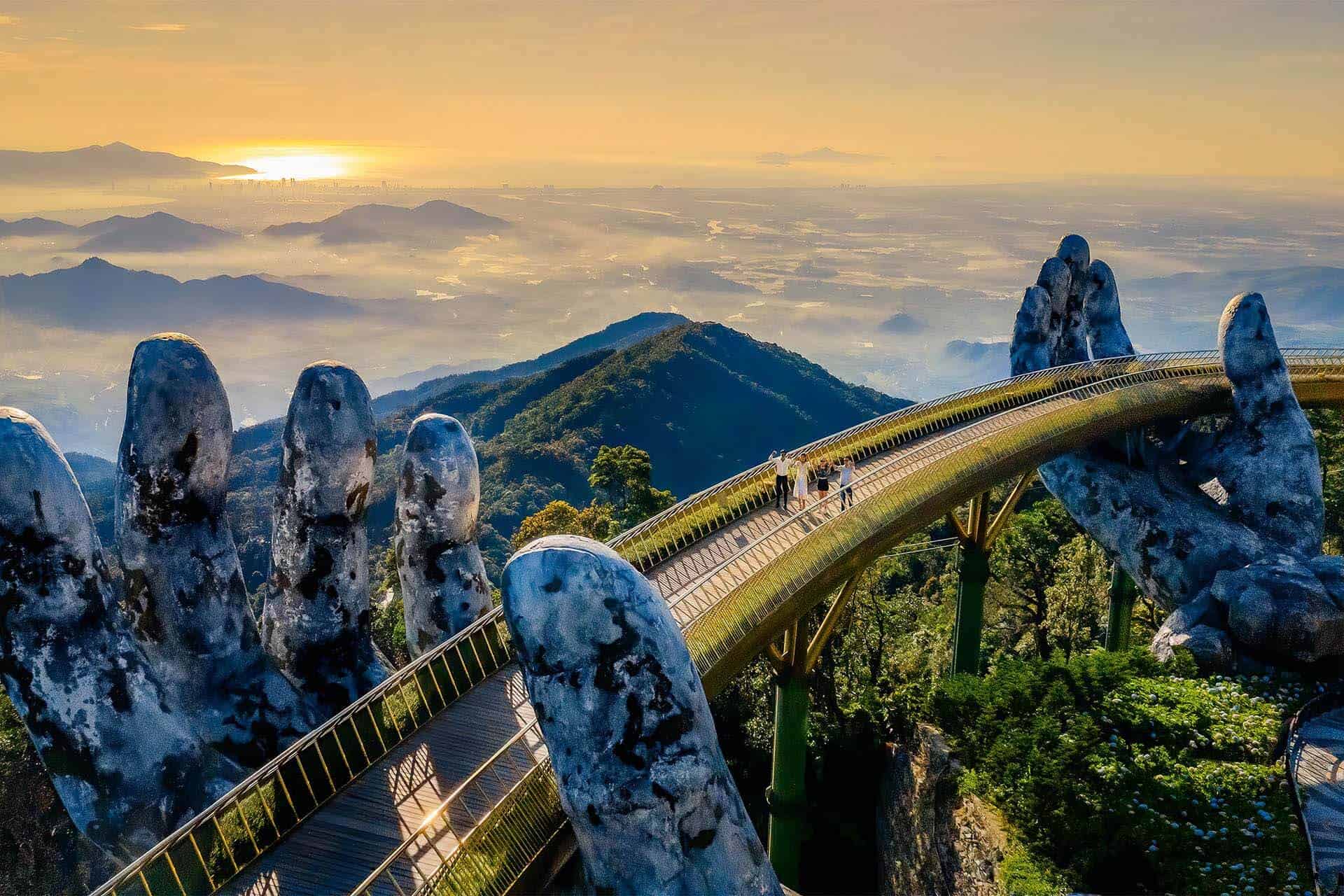
Ride the scenic cable car to Ba Na Hills and admire the spectacular Golden Bridge supported by giant stone hands, a landmark offering breathtaking mountain vistas.
Marble Mountains:
Explore limestone peaks filled with caves, pagodas, stone workshops, and viewpoints overlooking the coast.
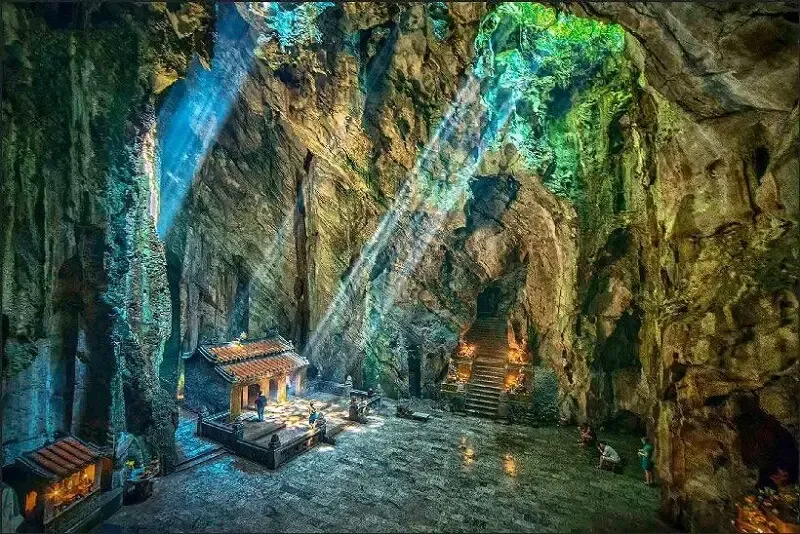
My Khe Beach:
Enjoy one of Vietnam’s finest beaches, known for clear waters, white sand, and ideal swimming and surfing conditions.

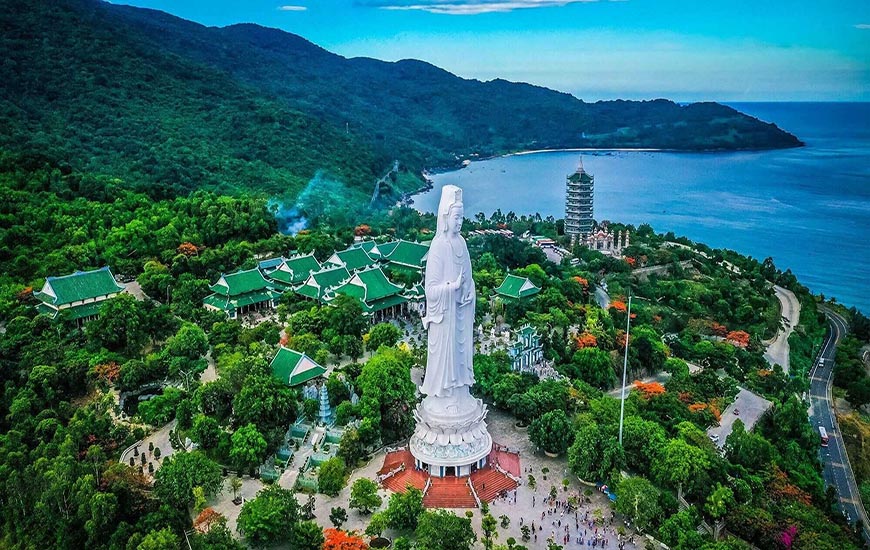
Son Tra Peninsula (Monkey Mountain):
Drive through lush forests to Linh Ung Pagoda and view the towering Lady Buddha statue overlooking the sea.
Han River and Dragon Bridge:
Stroll along the waterfront and watch the Dragon Bridge’s weekend display of fire and water.

Cham Museum:
Discover the world’s largest collection of Cham sculptures showcasing centuries of cultural heritage.

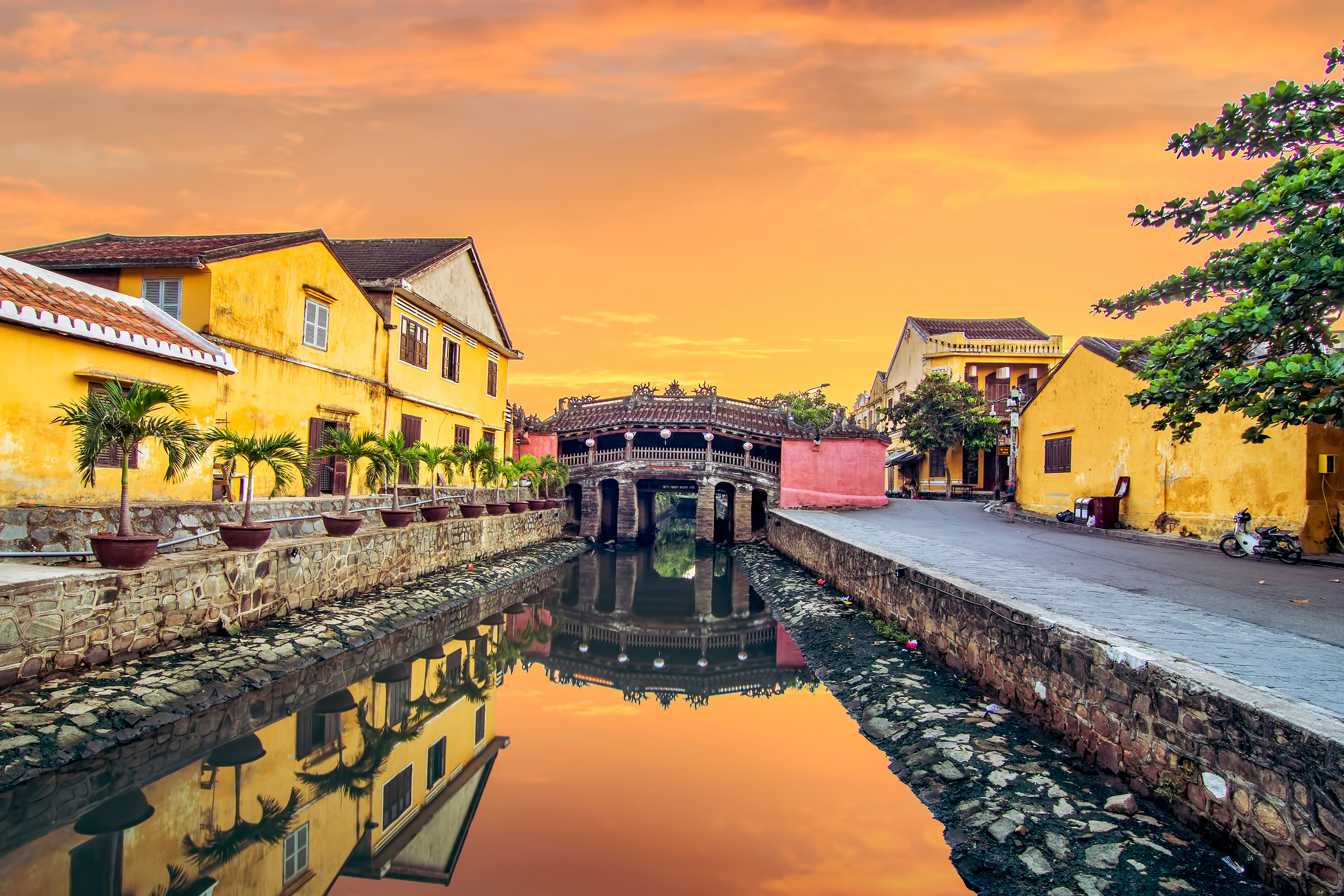
Hoi An Ancient Town (nearby):
A short journey away, explore lantern-lit streets, heritage buildings, tailor shops, and riverside cafes in this UNESCO-listed town.
Son Tra Night Market and Helios Night Market:
Experience lively local culture through shopping, street food, handicrafts, and music.

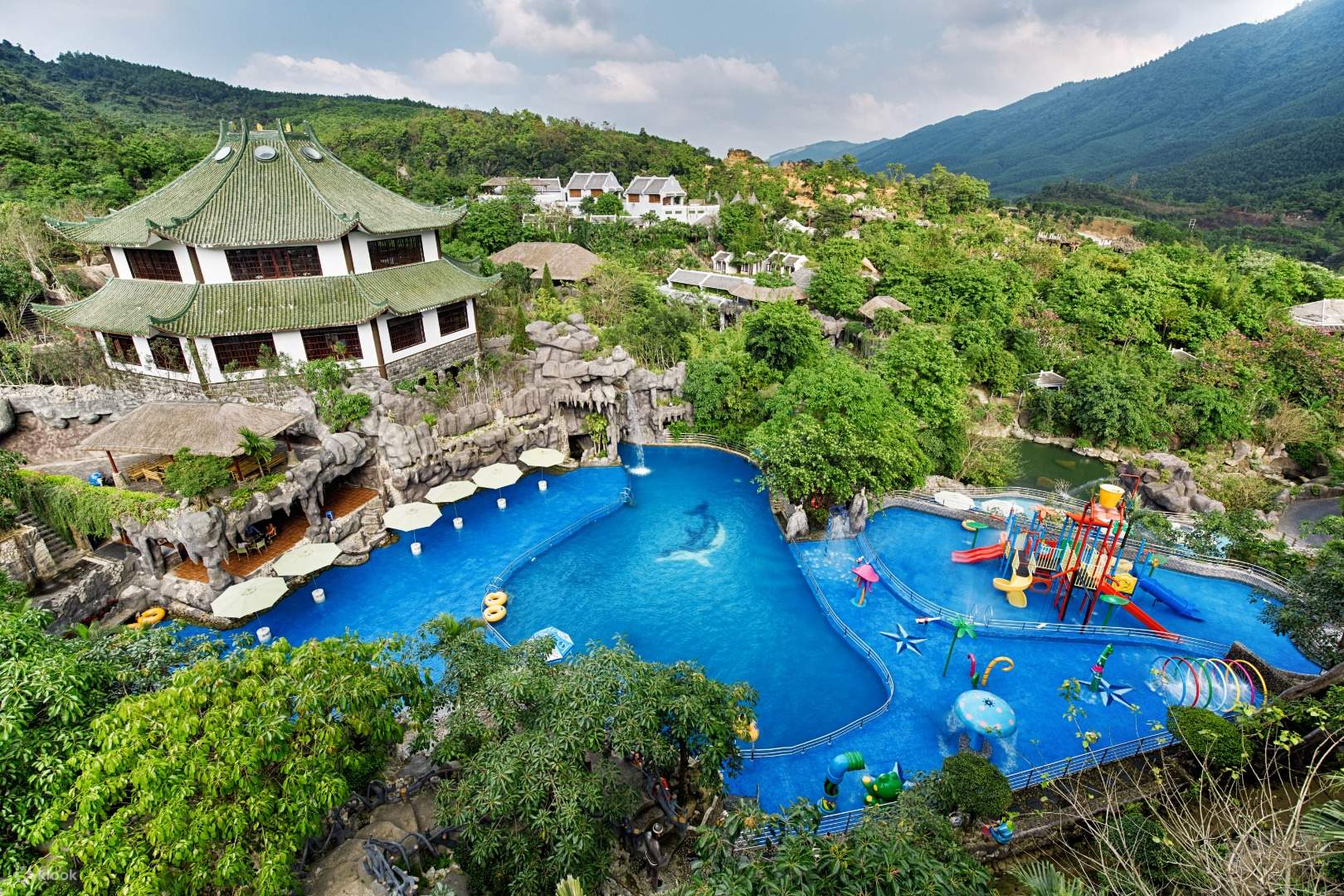
Than Tai Hot Springs Park:
Relax in mineral hot springs, mud baths, and water slides, ideal for families or wellness-focused visitors.
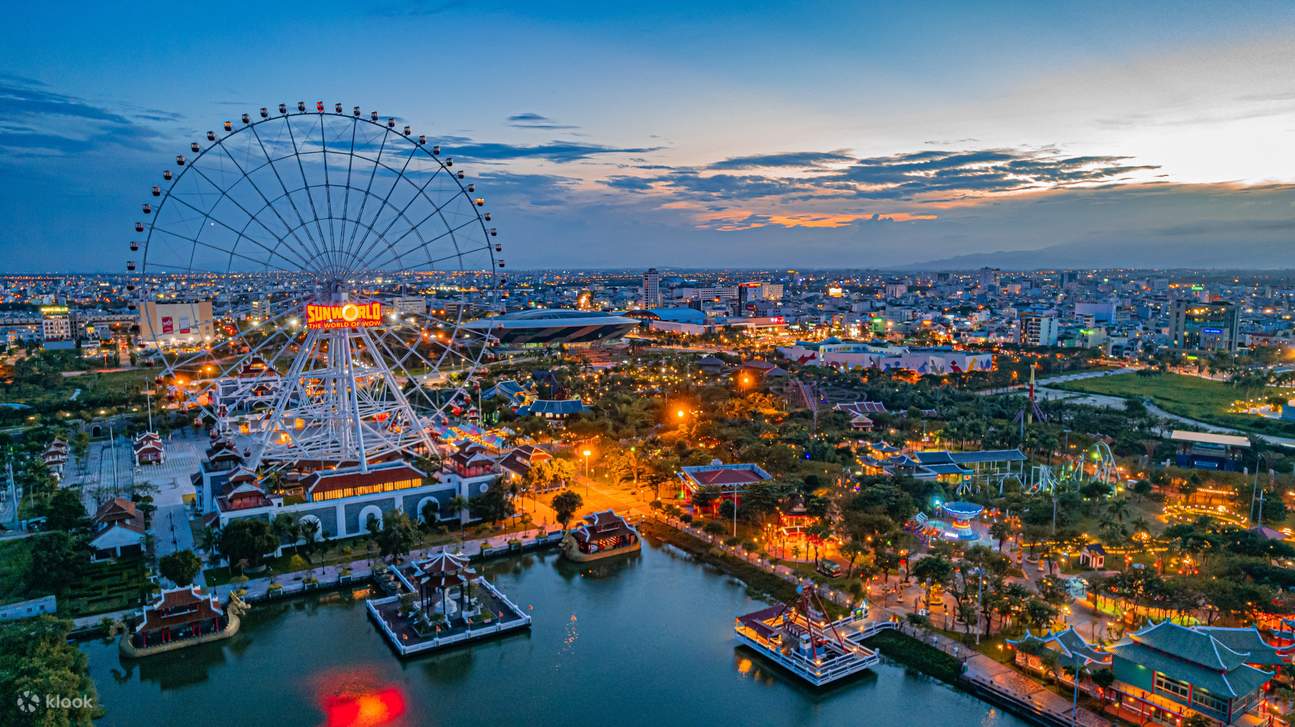
Sun Wheel and Asia Park:
Capture panoramic city views from one of Asia’s tallest ferries wheels and enjoy attractions within this entertainment park.
.jpg)
Food & Drink:
Da Nang’s cuisine blends central Vietnamese flavors with fresh coastal seafood. Signature dishes include:
Mi Quang, a regional noodle specialty with turmeric broth, fresh herbs, peanuts, rice crackers, and toppings such as pork or shrimp.
Banh Xeo and Nem Lui, crispy pancakes paired with lemongrass skewers and a rich peanut dipping sauce.
Seafood selections such as squid, shrimp, clams, crab, and fish prepared grilled, steamed, or stir-fried.
Bun Cha Ca, a hearty fish cake noodle soup featuring local ingredients and vegetables.
Banh Trang Cuon Thit Heo, sliced pork rolled with rice paper and herbs, offering a light yet flavorful experience.
Avocado ice cream, a creamy dessert popularly found along My Khe Beach.
Local drinks include coconut coffee, iced Vietnamese coffee, and fresh coconut water.
Visitors can explore street markets, night markets, riverside restaurants, and beachfront cafés to fully experience Da Nang’s food culture.
Comprehensive Tips for Travelers:
Plan ahead:
Da Nang attracts large numbers of visitors during summer, holiday seasons, and festivals. To avoid last-minute pressure, reserve accommodation, transfers, and attraction tickets in advance, particularly for riverside hotels, beachfront resorts, or Ba Na Hills cable car slots.
Pack for changing weather:
Da Nang offers sunny days but cooler conditions can occur near mountains or at Ba Na Hills. Bring lightweight clothing, comfortable walking shoes, swimwear, and sunscreen, along with a light jacket or scarf for breezy evenings.
Consider hiring a local guide:
Local guides enrich visits to sites such as Marble Mountains, Son Tra Peninsula, or nearby Hue and Hoi An by providing cultural context and navigating scenic trails. Guided food tours and handicraft experiences add depth to your trip.
Travel safely and respectfully:
If renting a motorbike, ensure riding experience, check the vehicle’s condition, and always wear a helmet. When visiting pagodas, dress modestly and observe cultural etiquette. Dispose of waste properly to protect beaches and viewpoints.
Combine destinations:
Da Nang serves as an excellent base for exploring central Vietnam. Many travelers pair it with Hoi An’s cultural charm, Hue’s imperial history, or the scenic Hai Van Pass for a more varied and immersive journey.


