

Moc Chau, located in Son La Province in Vietnam’s northwest highlands, is a tranquil plateau renowned for its vast tea plantations, blooming flower fields, dairy farms, and refreshing mountain climate. Often called the “Land of Green Meadows,” Moc Chau enchants visitors with rolling hills, ethnic Thai and Hmong villages, and scenic valleys dotted with plum and peach blossoms. Whether you are here to admire natural beauty, enjoy cool weather, or explore rural culture, Moc Chau offers a serene and fascinating escape away from crowds — peaceful, photogenic, and deeply authentic.

The Best Time to Visit Moc Chau
The best time to visit Moc Chau is between November and April. During these months, the temperature ranges from 12°C to 20°C, creating ideal conditions for sightseeing. November and December bring fields of white mustard flowers, while
January and February mark the plum and peach blossom season. Spring offers photogenic misty tea hills, while summer provides a cool retreat from city heat. Winter nights can be chilly, so warm layers are recommended.
Getting there:
Overland: Frequent buses run from Hanoi to Moc Chau, departing from stations such as My Dinh, Giap Bat, or private limousine services. Travel time is approximately 4 to 5 hours.
By motorbike: Traveling from Hanoi to Moc Chau takes around 4 to 5 hours via National Highway 6. This route allows scenic stops along mountains and valleys, but riders should be confident with winding terrain.
By private car: Private car transfers or hired drivers from Hanoi take approximately 3.5 to 4 hours. This option provides comfort and flexibility for families and groups.
Getting around:
Motorbike Rental: Renting a motorbike is the most flexible way to explore tea hills, waterfalls, and valleys at your own pace. Daily rental is about 150,000–200,000 VND. Roads involve slopes and countryside paths, so riders should handle carefully.
Car: Hiring a car with a driver is suitable for families or groups and allows stress-free travel to scattered attractions. Prices vary depending on itinerary.
Bus: Local minibuses can connect some villages and town areas, but services are infrequent and not ideal for sightseeing.
Walking/Hiking: Short distances such as tea hills, flower farms, and villages can be explored on foot, offering pleasant photography opportunities.
Accommodation:
Moc Chau offers a range of accommodations to suit all preferences:
Homestays: Ethnic Thai or Hmong homestays provide cultural immersion, stilt houses, home-cooked meals, and interaction with local families. These suit budget travelers and those interested in cultural experiences.
Guesthouses and hostels:Town areas offer numerous budget options with basic facilities, suitable for backpackers and short stays.
Hotels: Moc Chau has a range of mid-range hotels offering comfortable rooms, hot water, gardens, and valley views. Some popular options include Thao Nguyen Resort and Moc Chau Arena Village.
Resorts: Eco-lodges and high-end resorts provide unique architecture, nature-view bungalows, and private areas. Properties such as The Nordic Village and Moc Chau Retreat are ideal for couples and families.
Booking in advance is recommended during blossom seasons and weekends when rooms fill quickly.
Must-see attractions:
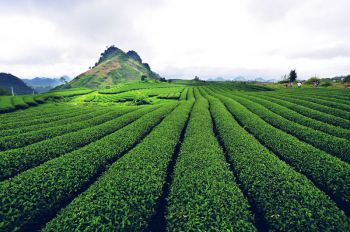
Moc Chau Tea Plantations:
Rolling green hills, tea harvesting areas, and scenic walking trails, especially in Tan Lap and Moc Suong.
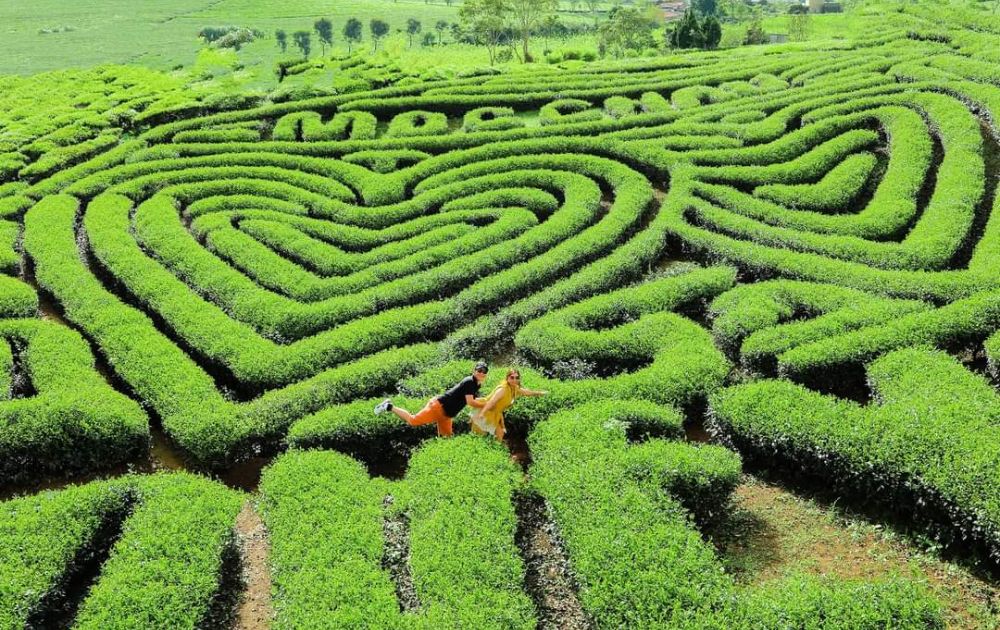
Heart-Shaped Tea Hill:
Signature tourism landmark, a beautiful photo spot ideal during misty mornings.
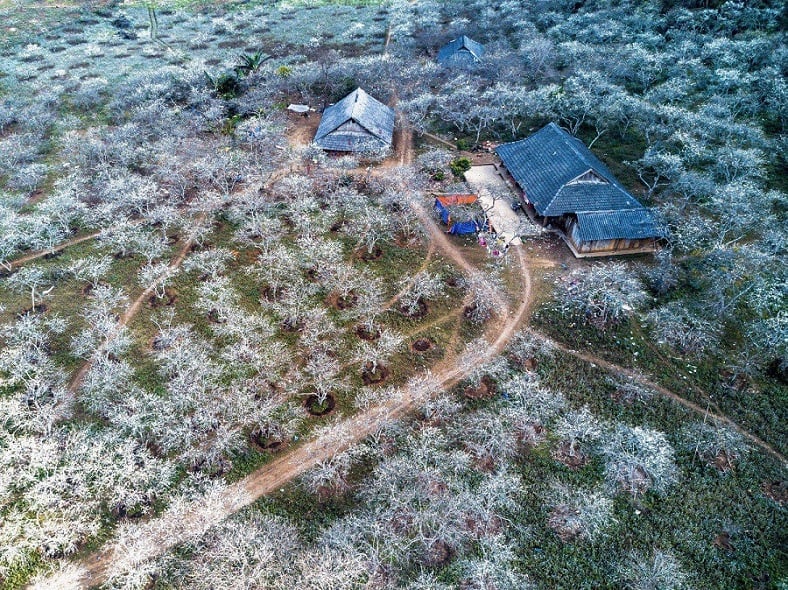
Na Ka Plum Valley:
Vast spring blossom area famous for white plum flowers.
Pa Phach Village:
Dense fields of white mustard flowers and Hmong cultural settlements.

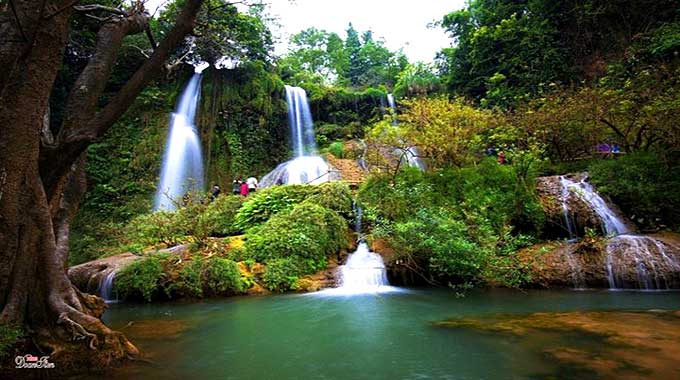
Dai Yem Waterfall:
A multi-tiered waterfall surrounded by forest and check-in viewpoints.
Ban Ang Pine Forest and Lake:
Pine forests circling a tranquil lake, ideal for photography and strolling.

Pha Luong Peak:
A trekking route to the mountain top known as the “roof of Moc Chau”; panoramic border views; permit required.

Moc Chau Dairy Farm:
Visitors can taste fresh milk products and learn about local dairy production.
(2).jpg)
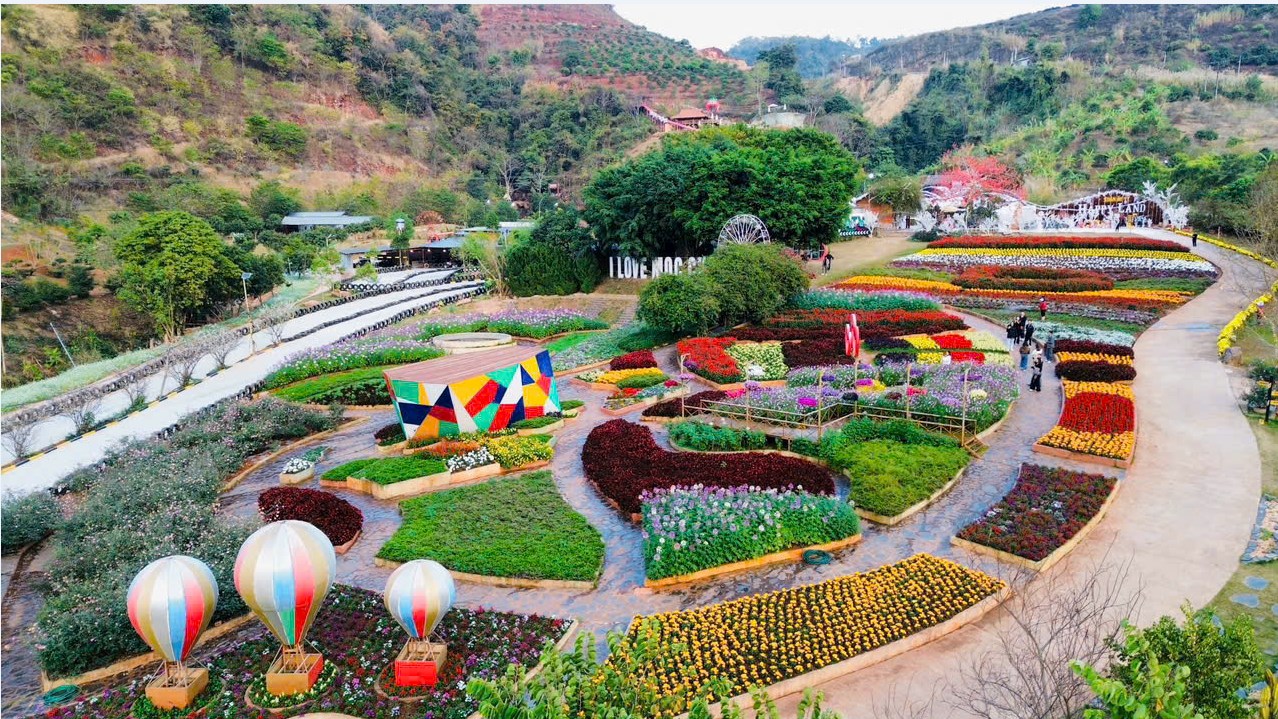
Happy Land Moc Chau:
Landscaped gardens, flower fields, and colorful installations.
Long Sap Border Gate Area:
Scenic landscapes near the Vietnam–Laos border worth visiting for culture and views.
Food & Drink:
Moc Chau offers mountain cuisine influenced by Thai, Hmong, and local Vietnamese traditions, with its fresh dairy products adding a unique touch to the region’s culinary identity.
Crispy Stir-Fried Veal (Bê chao): Moc Chau’s signature dish — tender local veal lightly fried until golden, crispy outside but juicy inside.
Salmon & Sturgeon Hotpot (Cá hồi / cá tầm lẩu): Fresh fish raised in local cold streams; served as sashimi or hotpot with vegetables and herbs.
Grilled Free-Range Hill Chicken (Gà đồi nướng): Marinated mountain chicken grilled for rich aroma and flavor.
Smoked Buffalo Jerky (Thịt trâu gác bếp): Chewy, smoky buffalo meat preserved over wood fire; served with local dipping spices.
Bamboo Tube Sticky Rice (Cơm lam): Sticky rice cooked in bamboo tubes, traditionally eaten with grilled meat.
Fresh Milk, Yogurt & Ice Cream: Moc Chau’s well-known dairy products available at farms and specialty shops.
Moc Chau Green Tea: High-quality local tea enjoyed hot or cold and commonly purchased as a gift.
Comprehensive Tips for Travelers:
Plan your trip in advance:
Moc Chau becomes crowded during blossom seasons and weekends. Book transportation and accommodation early.
Pack for varying weather conditions:
Temperature can change significantly between day and night. Layered clothing and comfortable walking shoes are essential.
Hire a local guide:
A local guide can offer insights into ethnic culture, assist with trekking routes such as Pha Luong, and ensure safe access to scenic areas.
Respect cultural norms:
Ask before photographing local people, dress modestly in villages, and support local handicrafts.
Be cautious on the road:
Mountain passes can be foggy; avoid speeding and refrain from long-distance motorbike rides in heavy mist.
Carry cash:
ATMs are limited outside the town center; small shops and homestays often only take cash


