
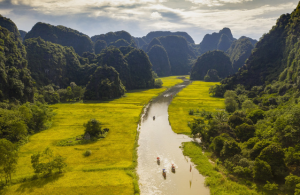
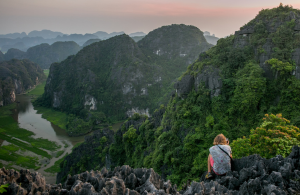
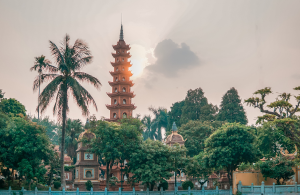
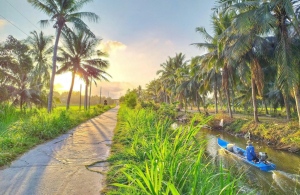
Chau Doc, nestled near the Vietnamese–Cambodian border in An Giang province, is celebrated for its mystical mountains, vibrant river culture, religious pilgrimage sites, and multi-ethnic heritage. Known as the “Gateway to the Mekong Delta,” it offers a unique blend of natural scenery and spiritual traditions. Travelers can cruise along the Hau River, explore floating fishing villages, visit sacred temples on Sam Mountain, or discover Cham culture through villages and craft communities. With lively markets, cross-border influences, and peaceful countryside landscapes, Chau Doc delivers an enriching journey where faith, culture, and river life beautifully converge.
The Best Time to Visit Chau Doc
Chau Doc has a tropical delta climate with warm, humid conditions year-round:
December to April is the driest and most comfortable period, ideal for sightseeing, outdoor trips, and festivals.
May to August brings green landscapes and seasonal flooding in parts of the Mekong Delta, enhancing river scenery but occasional heavy rain may occur.
September to November is festive season, especially during Ba Chua Xu Temple Festival and other pilgrimage periods, attracting large numbers of visitors.
Getting there:
Overland: Chau Doc is accessible by road from Ho Chi Minh City, Can Tho, and surrounding Mekong provinces. Sleeper buses and tourist coaches operate daily, offering a practical way to reach the town with typical travel times of 5–8 hours depending on the departure point.
By air: Travelers usually fly into Can Tho or Ho Chi Minh City and continue by road, as Chau Doc has no airport. The drive from Can Tho takes roughly 2.5–4 hours, making it the most efficient gateway.
By motorbike: Riding to Chau Doc is a scenic option through rice fields and rural areas. This suits adventurous travellers but requires proper safety gear and awareness of varying road conditions.
By private car: Private transfers and chartered vehicles offer convenience and flexibility for families or groups. The journey allows scheduled stops at floating markets or provincial towns along the route.
Getting around:
Motorbike: Renting a motorbike provides freedom to reach Sam Mountain, local temples, and rural villages. It is the most flexible option for exploring short distances.
Car / Taxi: Taxis and private drivers are useful for day trips to nearby attractions such as Tra Su Cajuput Forest or border checkpoints, especially for travellers who prefer comfort.
Bus / Minivan: Local buses and shuttle vans link Chau Doc with nearby towns. They are inexpensive but run less frequently, so schedules should be checked in advance.
Boat: Boats are essential for visiting floating villages and river communities. Speedboats also operate cross-border connections to parts of Cambodia.
Walking & Cycling: Within town, walking and cycling are ideal for markets, pagodas, and riverside areas. They offer a relaxed way to experience local life.
Accommodation:
Homestays: Homestays near villages or river areas offer cultural immersion, home-cooked meals, and interaction with host families — suitable for longer stays or travellers seeking authenticity.
Guesthouses and hostels: Affordable options clustered near town and the riverfront, offering basic comfort for budget travellers.
Hotels: Chau Doc has a selection of boutique and mid-range hotels with river or mountain views. Facilities typically include air-conditioning, breakfast, and good access to tourist sites.
Resorts: A small number of riverside resorts provide quiet settings, spacious rooms, and on-site dining — ideal for travellers seeking relaxation.
Accommodation fills quickly during pilgrimage events and holidays, so booking early ensures better availability and rates.
Must-see attractions:
Sam Mountain:
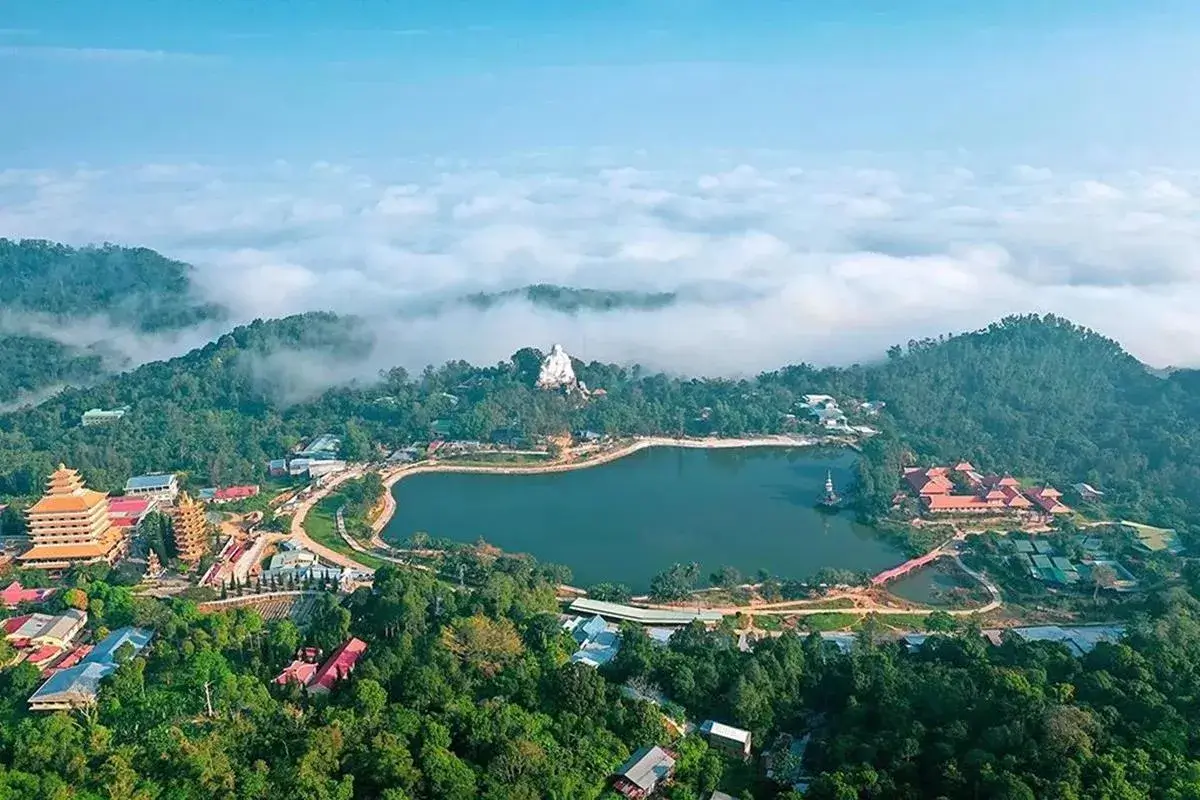
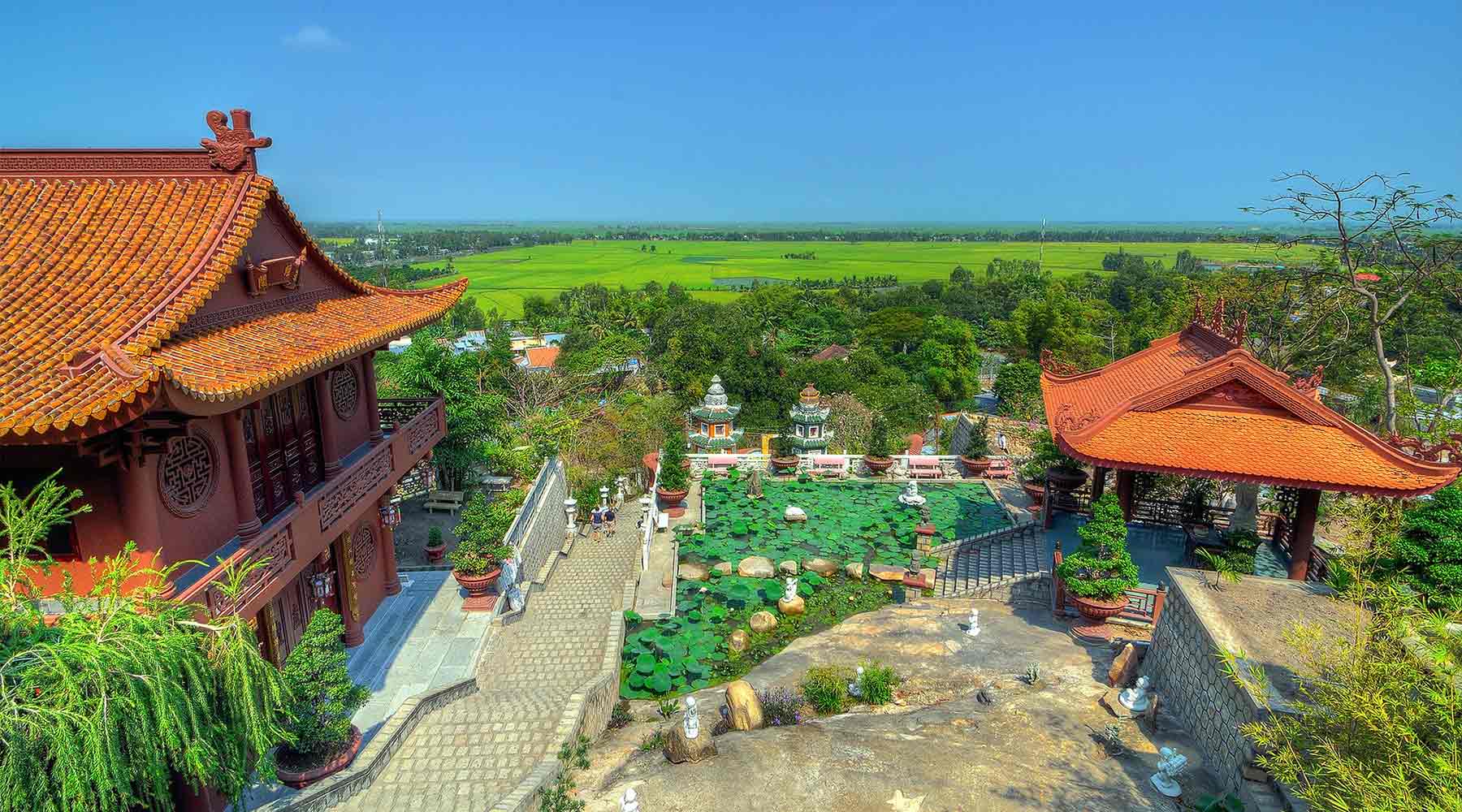
Visit this sacred mountain with pagodas, viewpoints, and shrines attracting pilgrims and offering sweeping vistas over rice fields and border landscapes.
Ba Chua Xu Temple:
One of southern Vietnam’s most important spiritual sites, known for its grand annual festival and deep cultural traditions.

Tra Su Cajuput Forest:
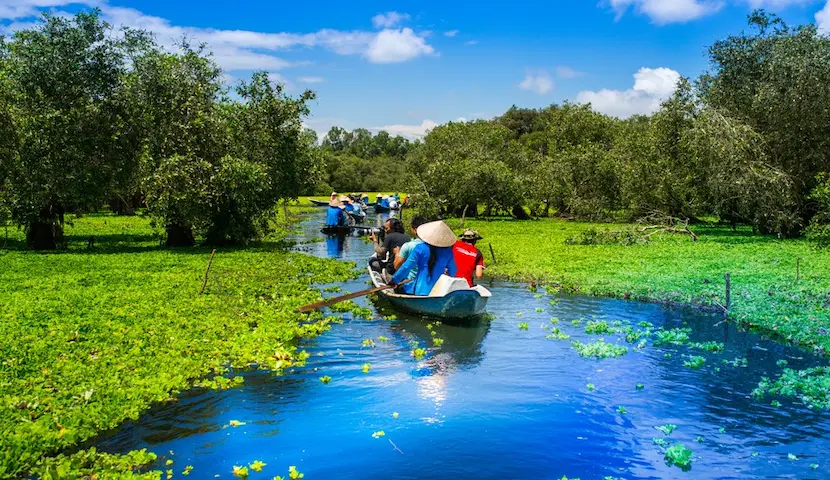
Cruise through emerald waterways covered with floating vegetation, watch bird sanctuaries, and walk along elevated wooden paths.
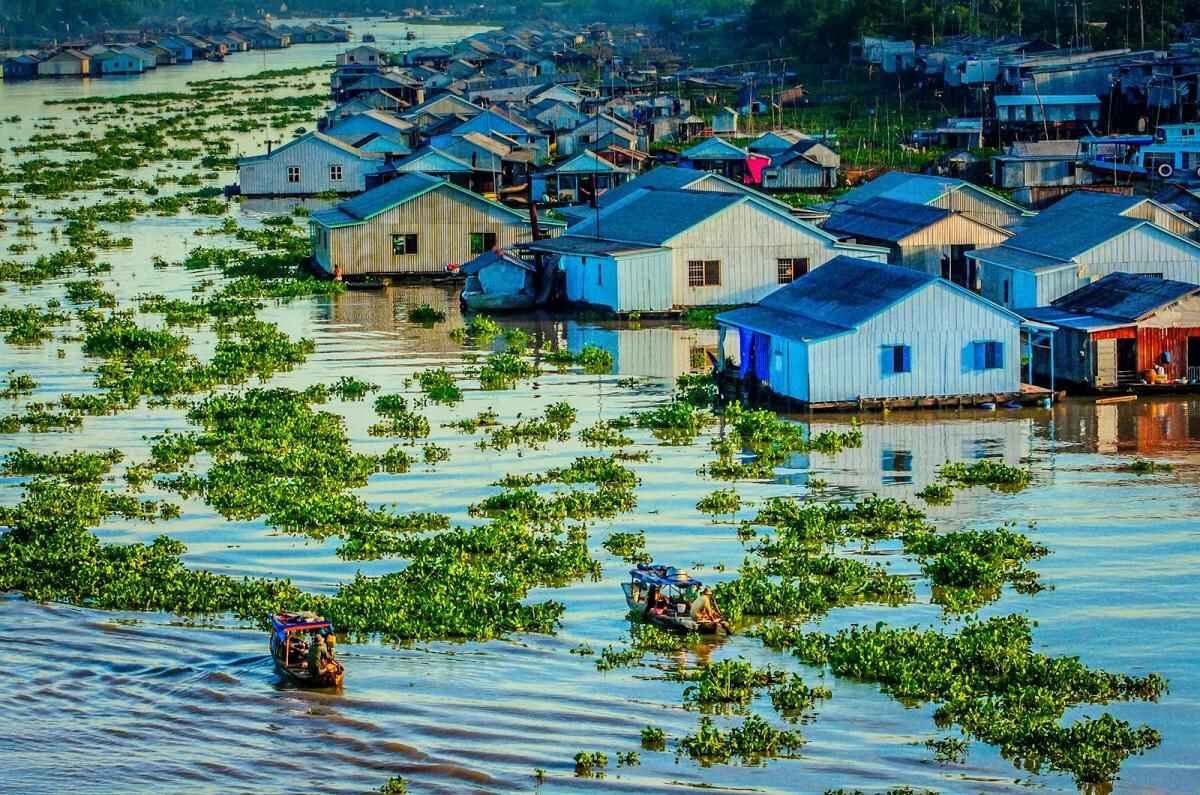
Chau Doc Floating Villages:
Discover houses built on stilts and floating fish farms that form the city’s river-based lifestyle.
Tay An Pagoda:
Explore this architecturally unique temple blending Vietnamese, Indian, and Islamic influences.

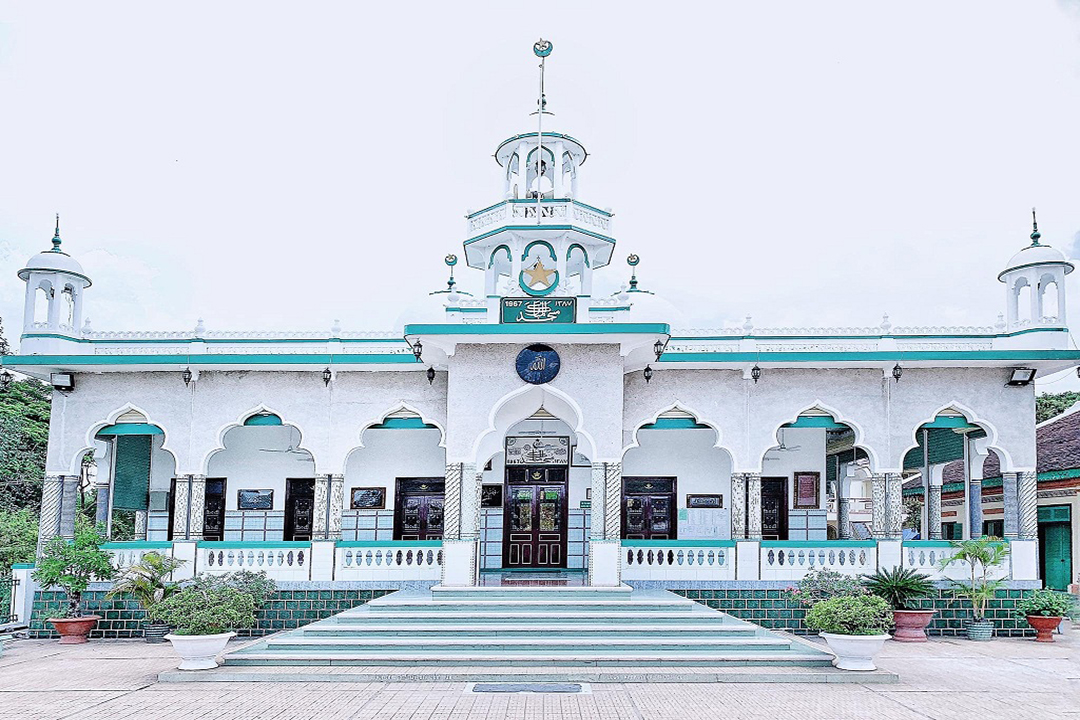
Mubarak Mosque and Cham Village:
Visit riverbank villages with Cham culture, traditional weaving, and Islamic religious sites.
Food & Drink:
Chau Doc cuisine highlights southern Vietnamese flavors with cross-cultural influences. Signature dishes include:
Bun Ca Chau Doc, a local fish noodle soup served with turmeric broth, herbs, and banana blossoms.
Banh Bo Thot Not, steamed palm-sugar cakes that are fragrant and soft.
Mekong fish specialties such as snakehead fish, catfish, and basa prepared grilled, steamed, or braised.
Mam (fermented fish paste), a regional delicacy used in hotpots, seasoning, or dipping sauces.
Fresh tropical fruits such as palm fruit, mango, and guava, widely sold in markets.
Popular drinks include Vietnamese iced coffee, fresh sugarcane juice, and herbal teas typically served in local eateries.
Comprehensive Tips for Travelers:
Plan ahead:
Chau Doc becomes crowded during festivals and pilgrim seasons. Booking accommodation and transport early ensures availability, especially near Sam Mountain or the riverfront.
Pack for hot weather:
Most activities involve outdoor visitation. Bring breathable clothing, sun protection, insect repellent, and comfortable walking shoes.
Consider guided experiences:
Local guides enhance visits to Tra Su Forest, floating villages, and Cham communities by sharing cultural insights, navigation assistance, and arranging boat routes.
Travel respectfully:
When entering temples or Cham villages, dress modestly and observe local customs. Support community businesses where possible.
Combine destinations:
Chau Doc pairs well with Can Tho, Long Xuyen, Ha Tien, or Phnom Penh for a longer Mekong journey. Many travelers extend their trip to Tra Su Forest or cross by boat into Cambodia for onward exploration.


