

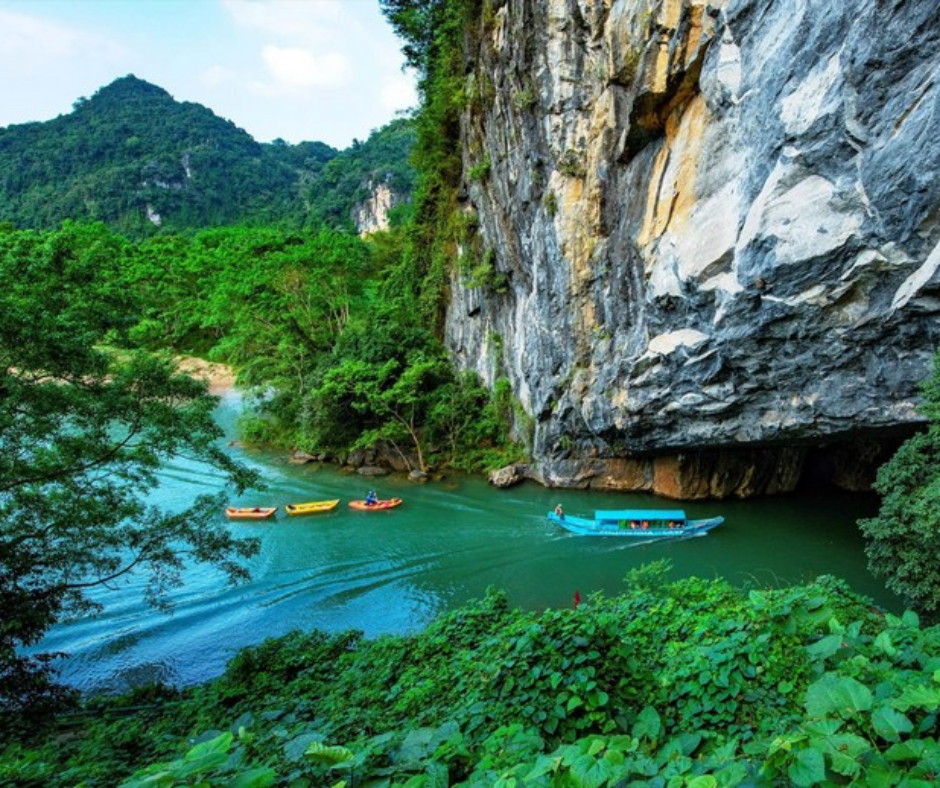
- Sandstone ecosystems shaped by climate and time
The result is extraordinary:
- Over 2,700 plant species
- Around 800 vertebrate species
- Rare wildlife like the Hatinh Langur and White-cheeked Gibbon
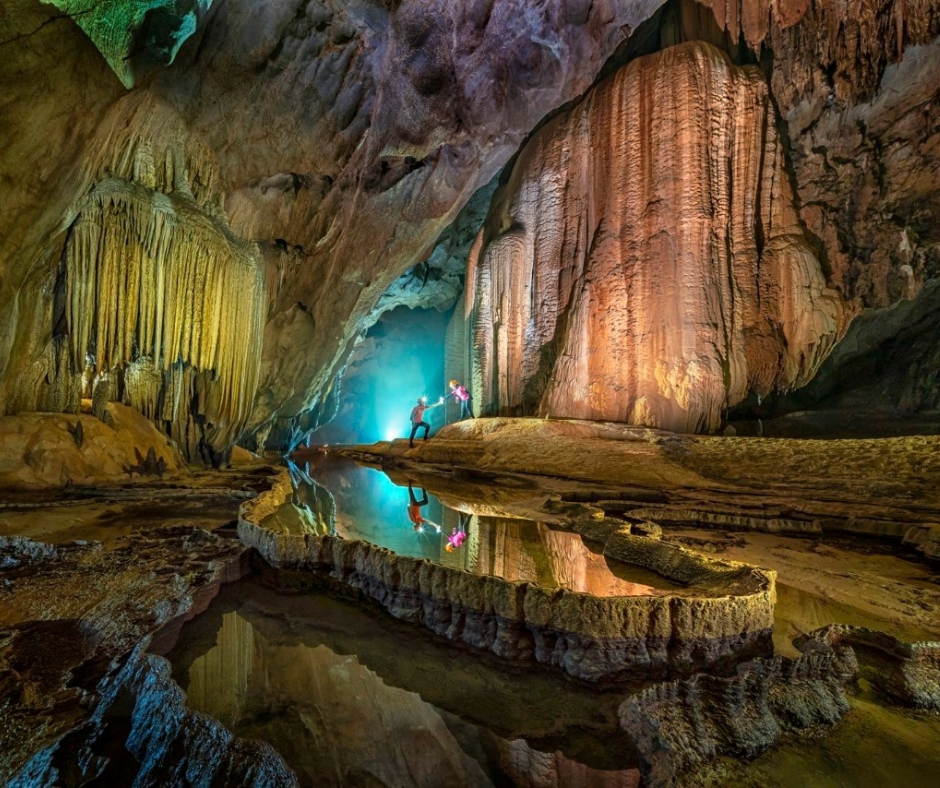
Deep inside the caves, a hidden world thrives — home to species that have adapted to complete darkness, evolving into forms found nowhere else.
Life here doesn’t just survive — it evolves in isolation.
A seamless ecosystem without borders
What makes this heritage truly unique is its continuity.
Despite lying in two countries, the landscape functions as one:
- Wildlife moves freely across borders
- Rivers and caves connect underground systems
- Ecosystems evolve without fragmentation
Nature ignores borders — and here, conservation follows that logic.
A model for global conservation (2026 update)
In recent years, cooperation between Vietnam and Laos has turned this region into a leading example of transboundary conservation:
- Joint management plans between both national parks
- Strict control of logging, poaching, and mass tourism
- Sustainable tourism limits in sensitive caves
- Expanded buffer zones to protect ecosystems
UNESCO recognizes this as a rare case where ecological integrity is preserved at a large scale.
It’s not just protection — it’s collaboration at its best.
Where science, culture, and nature meet
This karst kingdom is also a living laboratory:
- Geology and climate research
- Hydrology and underground river systems
- Evolution of endemic cave species
At the same time, it is home to indigenous communities whose traditions are deeply tied to the forest — adding cultural depth to its natural value.
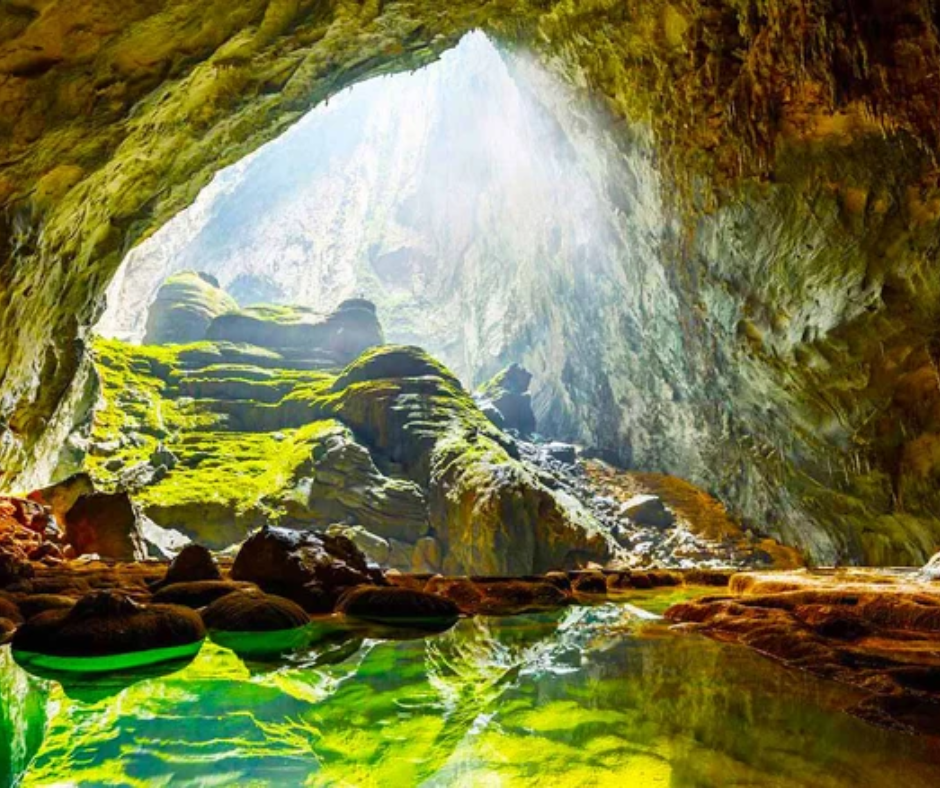
One of Southeast Asia’s last “green jewels”
Despite global recognition, the region still faces challenges:
- Climate change
- Infrastructure pressure
- Growing tourism demand
Yet, thanks to cross-border cooperation, it remains one of the most intact ecosystems in Southeast Asia.
More than a destination
Phong Nha – Ke Bang and Hin Namno are not just places to explore.
They are where:
- Time stretches back hundreds of millions of years
- Nature evolves without interruption
- And countries come together to protect something greater than themselves
In a world of rapid change, this transboundary heritage stands as a rare reminder — some places are still wild, still whole, and still full of wonder.